
Are you wondering how to support your child’s brain and eye development with omega-3? This evidence-based guide explains why omega-3 fats (specifically DHA and EPA) are essential for babies and toddlers, how much oily fish they need according to UK NHS guidelines, and how to safely introduce plant-based omega-3 foods if your child doesn’t eat fish. It includes practical family portion guides, low-pressure serving ideas, and expert advice on child omega-3 supplements.
Omega-3 is a key nutrient you might have heard about in child nutrition. If you’re wondering what omega-3 actually is, whether your baby needs it, and what to offer if your child won’t eat fish, this guide is for you.
What is omega 3?
Omega-3s are a type of fat (a polyunsaturated fat). The main types are:
- ALA (alpha-linolenic acid) – found in some plant foods
- EPA (eicosapentaenoic acid) – mainly found in fish and seafood
- DHA (docosahexaenoic acid) – mainly found in fish/seafood and important for brain and eye development
ALA (alpha-linolenic acid): this cannot be made in the body and therefore we use the term ‘essential’ to describe this fatty acid, meaning it is important we take this in via our diet.
EPA (eicosapentaenoic acid): this is made from ALA in our bodies and these are long-chain fatty acids which help to produce chemicals called eicosanoids. These chemicals can help reduce inflammation.
DHA (docosahexaenoic acid): this is also made from ALA in our bodies and is important for keeping our brain development and function in tip top condition.
The conversion of EPA and DHA from ALA happens slowly and only in relatively small amounts – so it is thought to be important that we also consume plenty of EPA and DHA directly from our diet.
Data from the NDNS survey (published in 2025) show that oily fish intake is low across all age groups compared with UK recommendations. Current NHS guidance suggests around one portion of oily fish per week (about 140g), but average intakes were much lower: around 1-9g per day in females and 2-7g per day in males (including people who eat none). That works out at roughly 7-63g per week for females and 14-49g per week for males on average, which is well below the recommended amount. Overall, the data suggest many people are eating little or no oily fish, while a smaller number eat it occasionally.s.
Why is omega-3 important for babies and children?
Omega-3 fats, especially DHA, support:
- normal growth and development
- brain and nervous system development
- eye and visual development
For young children, omega-3-rich foods can be part of an overall balanced diet that also includes iron-rich foods, fruit and veg, starchy foods and healthy fats.
Best omega-3 foods for babies, toddlers and children
Oily fish
Oily fish are the richest source of omega-3 fatty acids, and can be found in foods such as:
- salmon
- sardines
- mackerel
- trout
- herring
The NHS advises offering children at least 1 portion of oily fish each week as part of a varied diet.
Other fish and seafood
White fish and shellfish also contribute useful nutrients and can help children get used to fish flavours and textures. Options that contribute Omega-3 include:
- Sea bass
- Sea bream
- Mussels
- Oysters
- Squid
- Crab
Plant sources of Omega-3
There are some non-fish foods that also provide omega-3.
- ground flaxseed/linseed
- chia seeds
- Ground nuts or nut butter (walnuts, pecans, peanuts, almonds)
- rapeseed oil
- soya foods (e.g. tofu)
- some dark green leafy veg
These foods are a source of ALA. This is the family of omega-3 fats that cannot be made in the body so must be consumed in our diet.
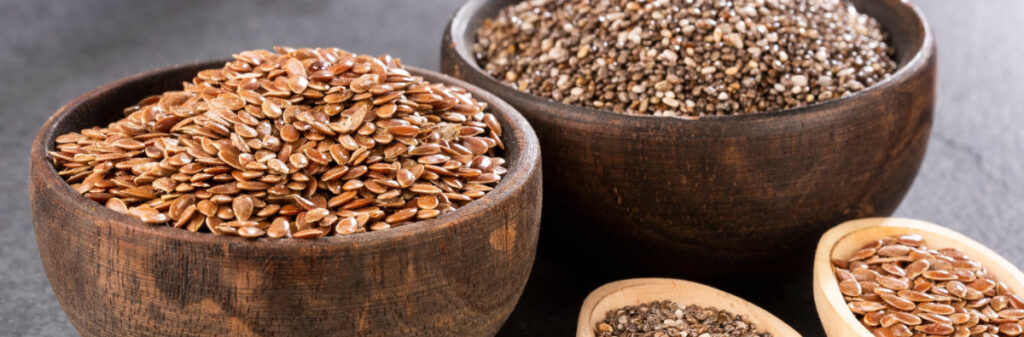
These foods still make up a great part of any healthy, balanced diet but it is important to keep in mind that they do not contain the same omega-3 fats that you will get from fish (EPA/DHA)
If you do not like/eat fish, it may be worth considering supplementation – see below for more information on this.
Some foods have been fortified with omega-3 and these can be incredibly useful sources if you are someone who avoids fish. These include eggs and certain milks as well as yoghurt and bread – to check this, have a look at the packaging when you’re next at the supermarket. The label should clearly state whether the foods have been fortified with Omega-3.
How much fish should children have?
For UK families, the current advice includes:
- Aim for fish regularly, including oily fish.
- Children should generally have at least 1 portion of oily fish per week.
- Because oily fish can contain pollutants, NHS guidance includes upper weekly limits for certain groups – for example, girls and women who are pregnant, breastfeeding, or may become pregnant in future should have no more than 2 portions weekly.
- Children under 16 should avoid shark, swordfish and marlin due to mercury levels.
More specific guidance around fish recommendations for babies and toddlers, check out this blog.
Below is a portion size guide, adapted from the British Dietetic Association factsheet on Omega-3
| Age | One Portion Size |
| 18 months to 3 years | ¼ to ¾ small fillet, or 1-3 tablespoons |
| 4-6 years | ½ to 1 small fillet, or 2-4 tablespoons |
| 7-11 years | 1 to 1 ½ small fillets, or 4-6 tablespoons |
| 12 years+ | 140g (5oz) fresh fish, or one small can oily fish |
Omega-3 in pregnancy and breastfeeding
Omega-3 (particularly DHA) is also relevant before and after birth.
During pregnancy and breastfeeding, fish can provide DHA and other key nutrients (like iodine and selenium), but parents should follow fish safety guidance on high-mercury species and portion limits.
If pregnant, avoid supplements containing high vitamin A (retinol), such as many fish liver oils, unless specifically advised by a healthcare professional.
When you are pregnant or breastfeeding, getting enough omega-3 (specifically DHA) is important, as it plays a role in building your baby’s brain, nervous system and eyes.
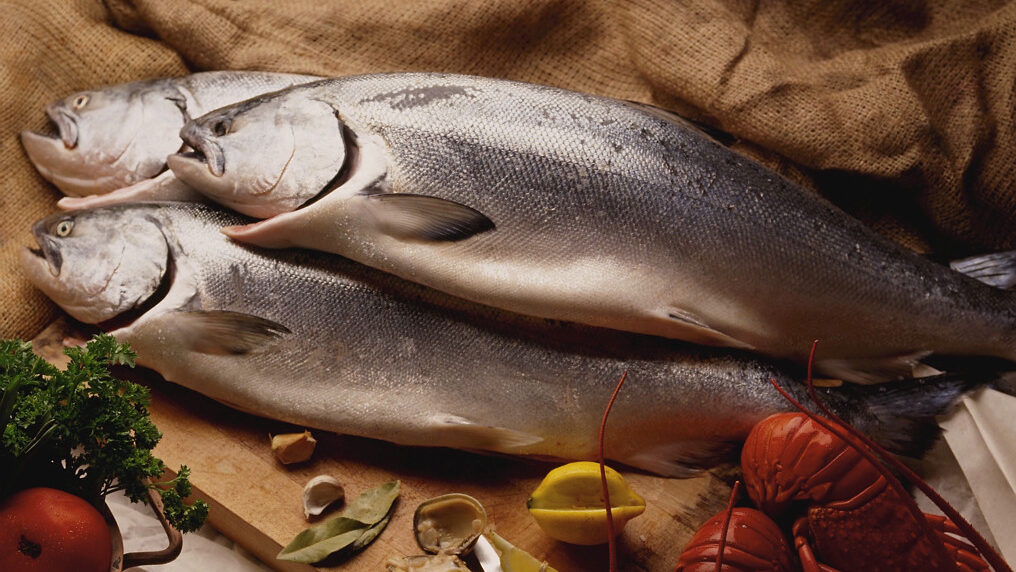
Oily fish is a great source of omega-3, as well as other essential nutrients like iodine and selenium, there are some guidelines to keep in mind around how much fish to have.
NHS guidance advises:
- Limit your intake of oily fish to no more than 2 portions per week. A portion is roughly 140g.
- Avoid high-mercury fish such as shark, swordfish and marlin
- Limit tuna intake during pregnancy to no more than 2 fresh tuna steaks per week, or 4 medium sized cans per week. You do not need to limit tuna when breastfeeding.
- Avoid fish liver oil supplements as they can contain high levels of vitamin A, which can be harmful to a developing baby.
- If taking omega-3 supplements, look for supplements derived from algae or fish body (not liver). These should be labelled as safe for pregnancy.
- Avoid raw fish/shellfish during pregnancy to avoid food poisoning. Thoroughly cooked shellfish is safe and can offer plenty of nutrition.
My child won’t eat fish, what can I do?
You’re definitely not alone. Fish can often be one of the harder foods for babies and toddlers because of the smell, texture, and flavour.
Remember: refusal is common, but it doesn’t mean you should stop offering it. Keep your expectations realistic – it’s normal for children to need many low-pressure exposures to accept a new food. Try not to focus only on how much or whether they’re eating it, and consider other measures of progress – for example it might look like firstly tolerating it on the plate, before touching it, licking it and eventually tasting it.
Practical ways to make fish easier to accept
- Start small: offer a pea-sized amount alongside familiar foods. Always offer along with at least one food they’ll usually eat.
- Use mild fish first: salmon, cod, haddock, trout, or tinned salmon/mackerel mixed into meals.
- Pair with accepted foods: pasta, rice, mash, tomato sauce, or soft veg.
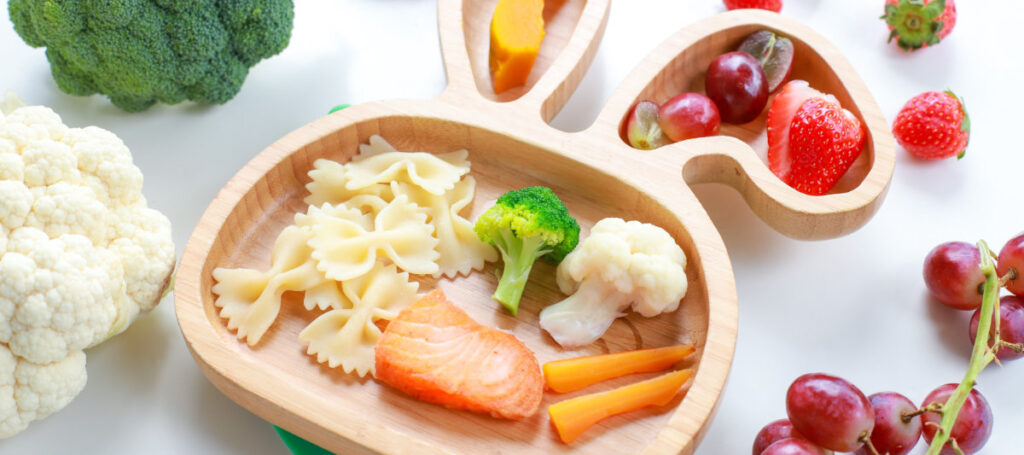
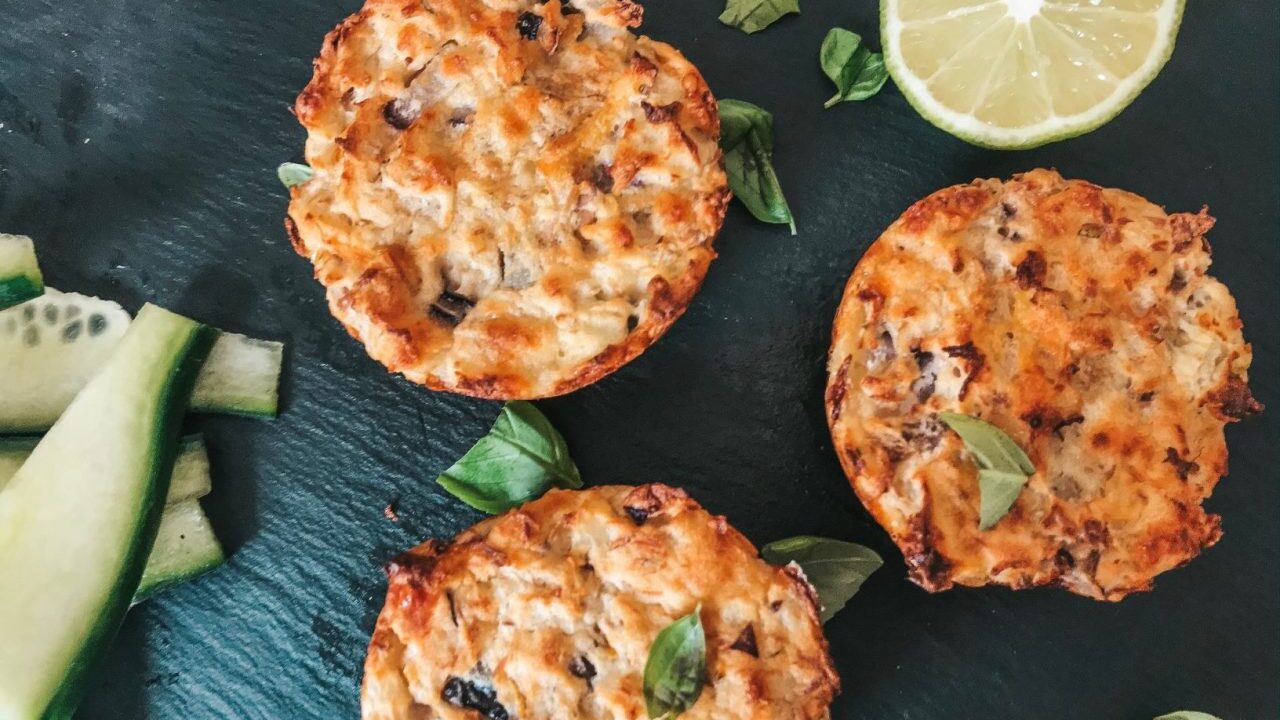
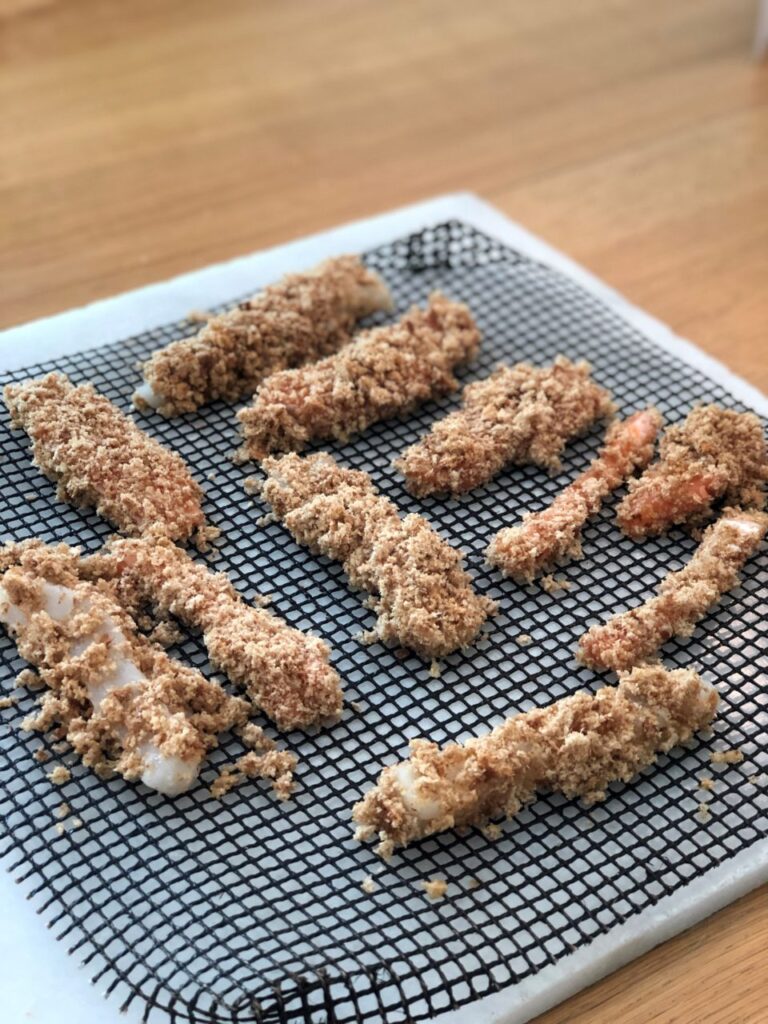
- Try child-friendly formats: fish cakes, salmon pasta, fish pie, mini fish muffins, mashed fish on toast fingers.
- Mix up the texture/how you offer it: some children prefer smoother textures at first; others prefer finger food.
- Take the pressure off: avoid language like ‘just one more bite’ or ‘just try it’ and let them explore in a way
- Continue offering: don’t give up offering it, even if they don’t eat it yet. Serve fish in ways you enjoy as a family and offer along with familiar foods so they can try it without the pressure of it being the only thing on offer
- Role model it: let your child see you enjoying fish.
If your child still refuses fish
That’s okay. You can still support omega-3 intake by offering plant sources daily, such as:
- ground flaxseed or chia seeds stirred into porridge/yoghurt
- walnuts (finely ground for younger children)
- rapeseed oil in cooking/dressings
These provide ALA (a type of omega-3). If your child eats no fish at all (or follows a vegan diet), you can discuss whether an algae-based DHA/EPA supplement is suitable with your GP, pharmacist, health visitor, or paediatric dietitian.

Do babies and children need an omega-3 supplement?
There is no universal UK recommendation for all children to take omega-3 supplements. Generally, a food-first approach is recommended, but of course for some children a supplement may be beneficial. You can take a look at my blog on nutritional supplement recommendations for young children. Remember it’s a good idea to speak to a healthcare professional before offering multiple supplements to make sure that the amounts and ingredients are safe and effective for your child.
How to serve omega-3 to babies
Here are some of my favourite ways to offer fish and omega-3 fatty acids to your baby:
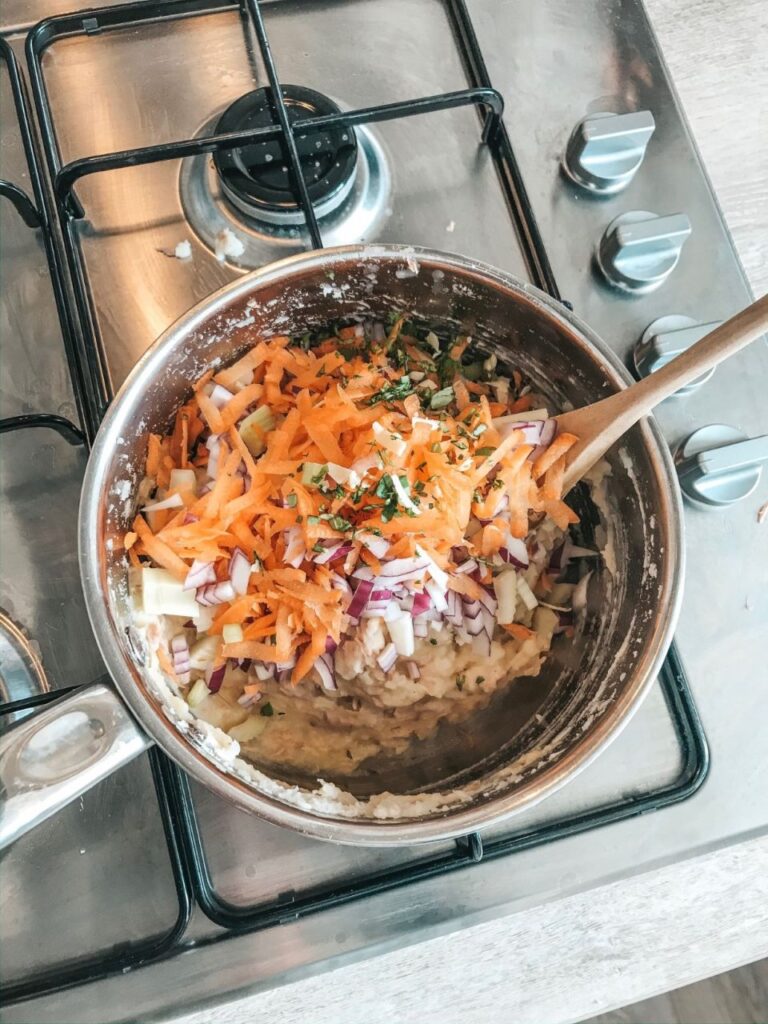
- Mashed salmon with softly cooked veg and potato – these potato and salmon tots are really simple and baby friendly
- Sardines/mackerel mash on toast fingers – mash together with some yoghurt and lemon juice and spread on lightly toasted bread, or mix through pasta, rice, cous-cous or potatoes.
- Fish pie with soft veg – you can blend this together or mash it and add a little milk/yoghurt to loosen it slightly
- Salmon pasta
- Ground flaxseed or walnuts stirred into porridge or yoghurt (as a non-fish option)
- Fishcakes – this kid-friendly fishcake recipe is great for babies, young children and adults!
Frequently Asked Questions (FAQ)
1. My child doesn’t eat fish. Can they get enough omega-3 from plant foods?
Plant foods like ground flaxseeds, chia seeds, ground walnuts, and rapeseed oil are excellent sources of ALA, which is an essential fatty acid our bodies cannot make. However, the body converts ALA into the highly active long-chain fatty acids (DHA and EPA) slowly and only in very small amounts. While plant food
s are a fantastic and necessary part of a balanced diet, if your child eats zero fish, they may struggle to get optimal amounts of DHA and EPA. In these cases, it’s worth speaking to a healthcare professional about whether a supplement is right for them.2.How much oily fish should my child eat?
Ideally, children should have at least 1 portion of oily fish (such as salmon, sardines, or mackerel) per week. However, because oily fish can contain low levels of environmental pollutants that can build up in the body, the NHS recommends some weekly upper limits. Girls should have no more than 2 portions of oily fish a week, while boys can have up to 4 portions. Additionally, children under 16 should completely avoid shark, swordfish, and marlin due to high mercury levels.
3. How do I know if my child actually needs an omega-3 supplement?
While the UK government recommends daily vitamins A, C, and D for young children, there is no blanket recommendation for omega-3. If your little one eats oily fish once a week, they don’t need a supplement at all.
However, you might want to consider one if your child:
- Does not include any fish or seafood, and has a limited intake of plant-based sources suchs as seeds or walnuts.
- Follows a fully plant-based or vegan diet.
- Is going through a highly selective eating phase where fish and omega-3-rich plant foods are consistently refused.
Always check that the supplement doesn’t double up on other nutrients (like Vitamin A or D) if your child is already taking a standard daily multivitamin. If you are unsure, you can have a chat with a healthcare professional to discuss a suitable supplement for your child.