
Caffeine isn’t something we tend to talk a lot about when it comes to kids’ diets. It’s usually thought of as an adult drink – that much-needed morning coffee to get us going! But it IS something that more and more parents are questioning me about.
In this blog, I want to break down what you need to know about caffeine and kids – which foods to find it in, how much is too much, WHY is it too much, plus some practical tips.
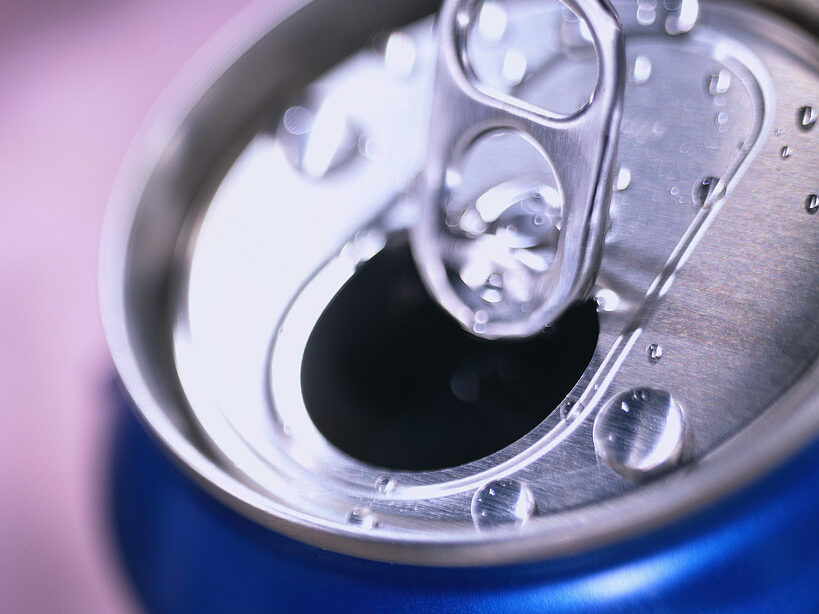
What is Caffeine, Anyway?
First things first, what even is caffeine? In simple terms, caffeine is a natural stimulant.
It works by stimulating our brain and central nervous system. Here’s how:
Throughout the day, our brain naturally produces a chemical called adenosine, which you can think of as our body’s “sleepy signal.” As this chemical builds up, it plugs into ‘receivers’ in our brain, telling our body it’s time to slow down and rest.
When we have caffeine, it travels to our brain and, because it’s a very similar shape, it gets to those ‘receivers’ first and blocks them.
With all the sleepy signals blocked, the “time to slow down” message can’t get through. This allows our brain’s other natural ‘awake’ chemicals to take o
ver, which is precisely why we feel more alert, focused, and energised. It’s not that caffeine gives us new energy, but it tricks our brain by hiding the “I’m tired” message.What Foods and Drinks Contain Caffeine?
This is the part that often surprises parents! It’s not just in coffee and tea. Caffeine can be found unexpectedly in quite a few common foods and drinks. The amounts can vary a lot, but here are some estimates to give you an idea:
- Energy Drinks*: A standard 250ml can often contains around 80mg, and a larger 500ml can can have 160mg or even more. It’s variable and these are fairly large doses for adults and for children.
- Coffee & Tea: A 200ml mug of filter coffee has around 90mg, and a regular mug of black tea has about 40-50mg of caffeine.
- Cola: A standard 330ml can of cola typically contains around 30-40mg of caffeine.
- Chocolate: The darker the chocolate, the more caffeine it has. A small 30g bar of dark chocolate (around 70% cocoa) can have about 20-30mg. A standard bar of milk chocolate contains roughly 10mg.
- Hot Chocolate: Because it’s made with cocoa, hot chocolate also has some caffeine, though usually not a lot. A 150ml mug made with powder might have about 5-10mg.
- Some medicines: You can also find it in some cold and flu remedies (always check with a pharmacist for what’s suitable for children).
*In the UK, there are plans to ban the sale of energy drinks to under 16s. I personally think this is a really positive, protective step. These aren’t beneficial in any way to young people, and can be particularly harmful due to the levels of caffeine and sugar and other stimulants. Making them less accessible is important for our children’s health.

How Much is ‘Too Much’? A Look at the Guidelines
To put the amounts of caffeine in the ingredients listed above into perspective (and the part that many parents want to know) – exactly how much is TOO much? While the NHS has a clear 200mg daily limit for pregnant and breastfeeding women, there is no official “safe” guideline for caffeine intake for children in the UK. Both the NHS and the British Nutrition Foundation do encourage avoiding or limiting caffeine for young children.
However, the Food Standards Agency (FSA) points to guidance from the European Food Safety Authority (EFSA). They suggest that there are ‘no safety concerns’ for children consuming up to 3mg of caffeine per kilogram of their body weight per day – but they don’t specify an age. It’s a little vague and unhelpful.
The main concern of including caffeine in a child’s diet would be the large single doses from energy drinks. Whilst other foods in moderation are unlikely to amount to ‘high caffeine intakes’ in a young child’s diet, it’s important to be aware of the foods that contain caffeine and to limit their caffeine intake where you can. Particularly with some of the effects caffeine may have on developing brains (see below). It’s best to minimise caffeine intake for children as much as we can.

So, What’s the Problem with Caffeine for Children?
This is the really important bit. Why are we advised to be so cautious with caffeine for our little ones?
It really comes down to their body size. Children are much smaller than us as adults and are therefore likely to be far more sensitive to caffeine’s effects. A small amount of caffeine for an adult can have more powerful effects on a child.
High intakes of caffeine can have an impact on children in a number of ways, including:
- Disrupted sleep: Caffeine can make it much harder for children to fall asleep and can also affect the quality of their sleep. Sleep is important for SO many things – growth, development, mood, and ability to learn!
- Anxiety: Many adults will experience symptoms of restlessness or feeling ‘on-edge’ from having too much caffeine. This can be more intense for children, and may show up as nervousness or anxiety.
- Tummy upsets & headaches: For some children, too much caffeine can lead to physical symptoms like an upset stomach or headaches.
- Concentration issues: Difficulty concentrating or focusing in school can be a side effect of too-high intakes of caffeine
It’s important to remember that when it comes to children, their brains are still developing. A child’s and teenager’s brain is, put simply, still “under construction”, which means it is still in the process of rewiring and pruning, especially in the prefrontal cortex (the bit needed for planning and impulse control).
Scientists believe this essential “rewiring”
work happens mostly during deep sleep.Given that caffeine can significantly reduce the amount and quality of that restorative deep sleep, the real worry is that regular caffeine use can mean there is less time to do the vital ‘construction’ work overnight. This can interfere with, and delay the brain’s maturation process, which is essential for building an efficient, healthy adult brain.
It’s also worth remembering how much caffeine tolerance varies from person to person. Even as adults, we tend to know our own limits. For example, I know I’m quite sensitive to caffeine (I’m definitely one of those people who can’t have a coffee after 2 PM!), while others can seem to drink it all day. It’s impossible to know what a child’s tolerance will be. Because their bodies are so much smaller and still developing, they are naturally likely to be far more sensitive to its effects. A little one also can’t tell us they feel ‘jittery’ or ‘anxious’, which is another big reason why the simplest, safest approach is to avoid it as much as possible.
Another factor to bear in mind, is that caffeine is a substance that can lead to physical dependence, even in little bodies. This is where the body gets used to a regular supply. Over time, they might need more to get the same ‘pick-me-up’ effect (this is called tolerance). The real problem is that if they regularly have caffeine and then suddenly stop, they can experience very real withdrawal symptoms. For a child, this can show up as headaches, being extra tired and lethargic, or being noticeably more irritable and grumpy. This isn’t a cycle we want for our little ones – we want them to be able to rely on their own natural energy, not a stimulant to feel ‘normal’ or to avoid a headache.
When it comes to the proposed ban on energy drinks in the UK, the worry around these is not only their caffeine content, but also the high amount of sugar and stimulants they contain. Estimates in the UK suggest that up to 100,000 children are drinking at least one high-caffeine drink every single day. Knowing the effects that caffeine can have, as well as the excess sugar intake, it’s important to reduce the accessibility of these drinks to young people.
My Takeaway
Knowing where caffeine is found in foods (like in cola or chocolate) helps us be mindful of our little one’s total intake over the day.
For me, the simplest approach is to make water and milk their main, everyday drinks, as well as minimising foods like chocolate, where possible.
Remember that, the smaller the child, the bigger the impact from caffeine may be. For young children, keep any food/drinks containing caffeine to a minimum, as much as you can!