
In this blog, we cover what UK guidance says about offering plant-based drinks (like soya, oat and almond) to babies and toddlers, including when they can be offered as a drink, which options tend to be the most suitable, what “fortified and unsweetened” really means when you’re reading labels, and which drinks are best avoided (like rice drinks for under-5s and ‘growing up’/toddler milks with added free sugars).
What are the recommendations?
Plant-based drinks, and whether they’re suitable for babies and toddlers is a question I’m asked about ALL the time. There is increasing interest in plant-based nutrition, for a variety of reasons, including an increase in diagnosed child food allergies.
Additionally, the options for “milks” available in the supermarket have increased an incredible amount in recent years. The plant-based drink market in the UK has grown significantly in recent years, with data suggesting that a quarter of families in the UK now drink plant-based drinks. It’s no surprise parents have lots of questions when it comes to offering plant-based drinks to babies and toddlers.
Note that in the UK, these drinks can’t legally be marketed or sold using the term ‘milk.’ Many people still refer to ‘plant-based milks,’ but they must now be labelled with alternate wording – for example ‘drinks.’
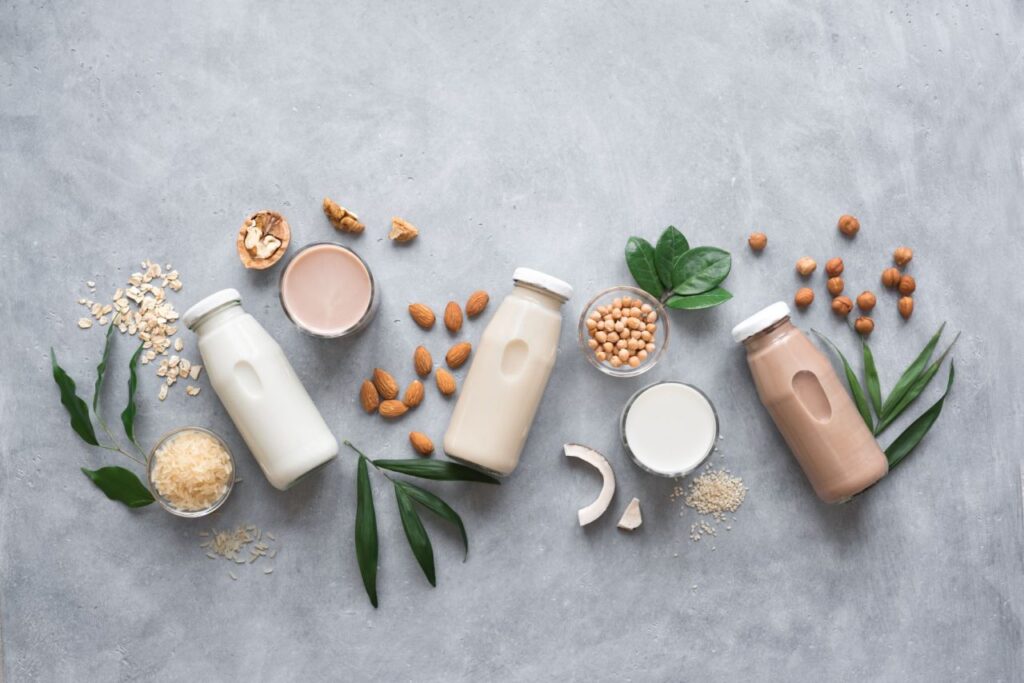
Cows’ milk can be offered as a main drink when an infant reaches one year of age. Before this, cows’ milk can be added into an infant’s foods from 6 months of age, but not offered as a whole drink. This is because cows’ milk doesn’t contain the right amount of energy and nutrients that a young baby needs before they reach 1 year of age.
From one year of age, cows’ milk can be a suitable main drink for children, as well as continued breastfeeding, if that’s what works for you and your child. You can read more about milk recommendations for young children in my blog.
Despite this, a growing number of parents are opting for plant-based drinks for infants and toddlers as well as other milk alternatives. There are a variety of reasons for this, including availability and parental concerns around allergies, sustainability and health.
Can my child have these?
The NHS states that you can give your child unsweetened fortified drinks, such as soya, almond and oat drinks, from the age of one as part of a healthy balanced diet.
It’s worth noting, though, that not all plant-based drinks are nutritionally equal. Recent guidance from the BSACI (British Society for Allergy & Clinical Immunology) highlights that soya, pea and oat drinks are the preferred options, while tree nut-based drinks (such as almond and cashew) are the least preferred due to their lower nutritional content, particularly protein, and that rice milk should be avoided due to potential arsenic content. We’ve compared the nutritional properties of different plant-based drinks below in this blog.
You can use fortified plant-based drinks in your child’s cooking, such as in porridge, cereal or sauces from 6 months, but it shouldn’t be offered as a drink until after 1 year of age.
Children with dairy allergies
For children with allergies who require a hypoallergenic formula, it is recommended that this formula is continued on until 2 years of age. From 2 years of age, alternative milks may then be used as a main drink if appropriate and if the parents would prefer.
Some children over the age of one who have allergies may be able to move onto a milk alternative (such as soya milk with added calcium) sooner, however, this would normally be determined after discussion with the child’s health care team and dietitian, who will advise on the best option on an individual basis.
Vegan infants
For those children who do not have diagnosed allergies and are not on hypoallergenic formula, unsweetened calcium-fortified milk alternatives, such as soya, oat and pea drinks can be offered from one year of age as part of a healthy, balanced diet which contains plenty of calcium, protein and energy. Fortified, unsweetened soya milk, would be the recommended option for vegan children, as the protein content is most comparable to cow’s milk. If soya milk isn’t tolerated, pea milk may be another option.
However, it is generally recommended to discuss a vegan child’s diet with a healthcare professional such as a Registered Nutritionist or Dietitian to ensure the infant isn’t at risk of any nutritional deficiencies.
Are plant-based drinks nutritionally better?
Nutritionally, there is no advantage to having other drinks if cows’ milk is tolerated and accepted. The recent BSACI guidance suggests that for children between the ages of 1-5 without a cow’s milk allergy, whole or semi-skimmed cows’ milk is preferable to plant-based drinks when considering their nutritional profile.
If you’re opting for an alternative milk, it’s important to go for fortified options, which can help to bring levels of nutrients such as calcium, vitamin B12 and, ideally, iodine up to similar levels to those found in cows’ milk.
Plant based drinks for infants and toddlers
Below you can see a comparison table of fortified plant based milks and cows’ milk
| Per 100ml | Whole cows’ milk | Oat Average (Fortified) | Soy Average (Fortified) | Coconut Average (Fortified) | Almond Average (Fortified) | Pea Average (Fortified) |
| Energy (kcal) | 66 | 49.8 | 34.69 | 29.46 | 16.20 | 29.67 |
| Protein (g) | 3.3 | 0.8 | 2.92 | 0.86 | 0.64 | 1.90 |
| CHO (g) | 4.6 | 6.8 | 1.98 | 2.70 | 0.73 | 0.83 |
| Fats (g) | 3.6 | 2.0 | 1.68 | 1.70 | 1.17 | 2.13 |
| Calcium (mg) | 120 | 116.6 | 120.17 | 128.50 | 120.14 | 140.00 |
| Riboflavin (mg) | 0.23 | 0.2 | 0.21 | 0.50 | 0.21 | 0.21 |
| Vitamin B12 (μg) | 0.9 | 0.4 | 0.41 | 0.39 | 0.43 | 0.55 |
| Vitamin D(μg) | Traces | 0.9 | 0.88 | 0.85 | 0.86 | 0.92 |
| Iodine (μg) | 31 | 22.7 | 31.73 | 20.18 | 34.13 | 30.00 |
The table highlights the importance of choosing fortified milk alternatives for children and many plant-based drinks are fortified with calcium, vitamin D, vitamin B12, riboflavin (vitamin B2) and iodine. Note that this is based on data from plant-based drinks available in 2024, so it may differ slightly to the drinks available currently.
On the whole, alternative milks do not contain the same levels of energy, fat or carbohydrate as whole cows’ milk. Many drinks other than soya milk also do not contain comparative levels of protein and if the drinks aren’t fortified, nutrient levels of B12, calcium and iodine aren’t comparable either. When it comes to iodine, previously many of the drink options haven’t been fortified with iodine, but this has changed quite a bit in recent times. There are now plenty of options that DO contain iodine, but it’s always worth checking the label as iodine can be a nutrient that’s a bit more difficult to get for those on an entirely plant-based diet.
What do the latest BSACI guidelines say about plant-based drinks for kids?
In 2026, The British Society for Allergy & Clinical Immunology (BSACI) published recommendations on plant-based drinks for children aged 1 year and over. These guidelines bring together the latest evidence and are aimed at helping families make the best choices, particularly when it comes to avoiding unnecessary free sugars and ensuring adequate nutrition. Below is a summary of the key points.

Choose fortified AND unsweetened
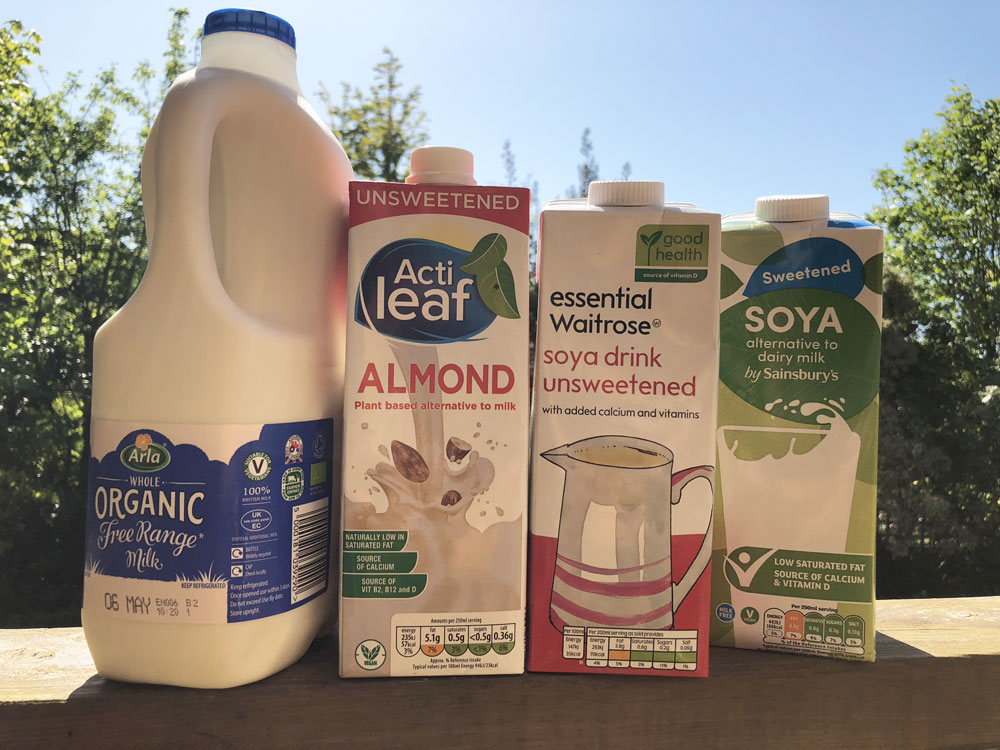
The BSACI recommends that where plant-based drinks are used for children over the age of 1, they should always be both fortified and unsweetened. When checking the label, here’s what to look for:
- ‘Of which sugars’ showing 0g on the nutrition panel
- Fortification with calcium (at least 120mg per 100ml), iodine, riboflavin, vitamin B12 and vitamin D
- No added free sugars in the ingredients list, watch out for terms like sugar, fructose, glucose, sucrose, raw cane sugar, and maltodextrin
- No non-sugar sweeteners such as stevia, erythritol, sucralose or Acesulfame-K
A note on organic plant drinks: organic products are typically not fortified, so while they may feel like the “healthier” option, they may not provide the same micronutrient levels your little one needs. Always double-check the label.
Choosing a suitable plant-based alternative drink
The BSACI highlights a clear preference order when it comes to plant-based alternatives:
- Soya, pea and oat drinks are the preferred plant-based alternatives
- Tree nut drinks (e.g. almond, cashew) are least preferred due to their lower nutritional content, particularly protein
- Rice drinks are not recommended as a main drink for under-5s due to concerns about arsenic content
Avoid ‘Growing Up’ and ‘Toddler’ Drinks
The BSACI specifically recommends against ‘growing up’ or ‘toddler’ drinks, whether they’re plant-based, cows’ milk-based, or even prescription low-allergy formulas (unless specifically recommended by a dietitian). This is due to the free sugar content of these milks.
According to a SACN review in 2023, ‘growing up’ drinks are the top source of free sugars in the diets of 12- to 18-month-olds, contributing around 50% of free sugars intake in this age group.
It’s recommended that free sugars provide no more than 5% of total energy intake, but a 350ml ‘growing up’ soya drink could provide almost three times the recommended daily limit.
These drinks are heavily marketed and many parents understandably choose them thinking they’re a helpful nutritional top-up. But the free sugars content means they aren’t suitable for young children. If your child doesn’t include dairy in their diet, breastmilk or plain, unsweetened and fortified alternatives are the best options for your child.
If you have any concerns about the nutritional adequacy of your child’s diet, it’s worth seeking support from a healthcare professional – a GP, Health Visitor, Registered Nutritionist or Dietitian.
Should I worry about food additives in plant drinks?
Lots of people worry about some of the “additional” ingredients in plant drinks, such as emulsifiers, preservatives or thickeners. There is a lot of fear-mongering online at the moment, and it can be really hard to know what to believe when it comes to information about the ingredients in our foods.

I’ve written in detail about processed foods for kids, and I know it can seem overwhelming to parents. It’s important to note that in nutrition, nothing is ever black and white, and it’s ALWAYS important to consider the context and the bigger picture.
The topic of food additives is quite complex, and you can read more about food additives in kids’ food here. Generally speaking, it all comes down to moderation. Plant drinks can be really beneficial and necessary for some children who need to replace nutrients they may be missing out on through allergies, intolerances or dietary choices. Additives in foods in the UK are monitored and tested for safety levels and the levels in foods are way below levels that are potentially harmful. Therefore the amount likely to be included in plant drinks will be very minimal, and many of the purported “dangerous ingredients” aren’t dangerous at all in humans.
What about seed oils?
Another ingredient that many parents have questions about is the seed oils that are present in most plant drinks. Seed oils, such as rapeseed and sunflower oil, have also received quite a lot of bad press recently. I know it can be really overwhelming as parents to constantly read that the foods we’re offering our kids regularly are potentially harmful. You can read more about seed oils in kids’ food in this blog.
Similar to food additives, in the context of a varied and balanced diet, we shouldn’t worry about seed oils in plant-based drinks. It’s important to consume a variety of fats, from other sources, including olive oil, avocados, nuts, seeds and oily fish. Here is a good summary of the evidence on seed oils to date.
It can be a good idea to vary the kinds of milk you’re offering and also to include a variety of other sources of dairy and/or fortified dairy-alternative foods if you can. This helps to ensure a good dietary variety which is the key when it comes to ensuring a healthy, balanced diet for you and your kids.

Plant-based drinks to avoid
Rice drinks: Toddlers and young children under the age of five shouldn’t have rice drinks, because of the trace levels of arsenic they may contain (from the soils in which they are grown).
‘Growing up’ and ‘toddler’ drinks: As we covered above, the BSACI guidelines suggest that ‘growing up’ and ‘toddler’ milks, either plant-based or cow’s milk-based, are not recommended due to their high free sugars content. If you’re currently using one and are unsure about what to switch to, have a chat with your health visitor or dietitian.
Sweetened plant-based drinks: Any plant-based milk that contains added free sugars (look for ingredients like sugar, fructose, glucose, sucrose, raw cane sugar or maltodextrin) or non-sugar sweeteners (such as stevia, erythritol or sucralose) is best avoided for young children. Always check the label and aim for 0g under ‘of which sugars.’
Organic plant-based drinks (non-fortified): While you may wish to choose organic products for your family, in the case of plant-based drinks, organic plant milks are often not fortified with key nutrients like calcium, iodine, B12 and vitamin D. If you prefer organic, always double-check that the product is fortified before relying on it as a regular milk alternative for your child.
And finally…
When it comes to offering plant based drinks for infants and toddlers, in summary, fortified, unsweetened plant based drinks are appropriate to offer to infants as part of a healthy balanced diet from 1 year of age.
Milk alternatives don’t compare nutritionally to whole cow’s milk, even when fortified, but it is recommended to always ensure to off
er unsweetened, fortified drinks to young children who are using a plant-based alternative.If you’re looking for more detail on specific milk alternatives available in the UK, check out our blog on comparing plant-based milk alternatives for young children.
FAQs
Can I give my baby a plant-based drink before 12 months?
Generally, plant-based drinks (like soya, oat or almond drinks) aren’t recommended as a main drink before 1 year.
However, you can use fortified plant-based drinks in cooking from around 6 months (for example in porridge, cereal or sauces) – just avoid offering them as a bottle/cup drink as a replacement for breastmilk or infant formula before age 1.
What should I look for on the label if I’m choosing a plant-based drink for my toddler?
If you’re offering a plant-based drink from 1 year, aim for one that is unsweetened and fortified. A quick label check can help:
- Choose unsweetened (avoid added sugars and sweeteners)
- Look for fortification (for example calcium, and ideally vitamin D, vitamin B12, riboflavin and iodine)
- Remember that organic plant-based drinks are often not fortified, so they may not provide the same micronutrients
If cow’s milk is OK for my child, is there any benefit to switching to plant-based drinks?
In most cases, if your child tolerates cow’s milk and drinks it happily, there’s no clear nutritional advantage to switching to plant-based drinks.
If you do prefer plant-based for family, ethical or environmental reasons, that’s absolutely fine. Aim for an unsweetened, fortified option, and be mindful of their overall diet – for example making sure they’re getting enough energy, protein and calcium-containing foods across the day.