
What you need to know
In this blog, I’m going to be covering a topic that I know MANY parents are curious about: plant-based eating for children. This is a blog for anyone who’s curious about what a plant-based diet actually is and whether it’s suitable for their family. I’ll cover WHAT it is, WHY it’s beneficial and HOW to make it work for your family.

What Does ‘Plant-Based’ Actually Mean?
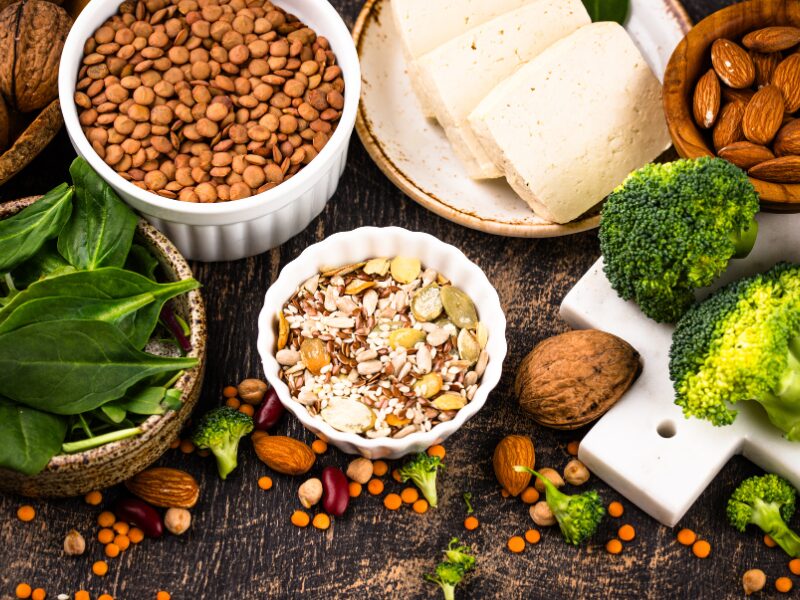
First things first, something to remember: “plant-based” doesn’t always mean plant-only. A plant-based diet simply means that the majority of your meals come from plant sources. A plant-based diet can still include meat, dairy, eggs and fish. The focus of a plant-based diet is all about including MORE foods like:
- Fruits and vegetables
- Wholegrains like oats, brown rice, and quinoa
- Legumes like lentils, chickpeas, and beans
- Nuts and seeds
A lot of talk around food and nutrition can be about the foods that we SHOULDN’T be eating. But I’m a big proponent of thinking about what we can ADD to our diets to maximise nutrition wherever we can. I’ve got a whole series about adding extra nutrients to your child’s breakfast, lunch, dinner and even snacks, so do check those out for plenty of tips.
Why is it important to eat more plant-based foods?
Plant-based foods can be so beneficial in our diets. Evidence supporting their benefits is increasing, showing that diets rich in plants can make a meaningful difference to our long-term health. The World Health Organisation, for example, notes that diets high in plant foods are linked to lower rates of disease.
Here are a few great reasons why eating more plants is a good idea for everyone:
- Nutritional Variety: Plant foods are packed with fibre, vitamins, minerals, and antioxidants that support gut health, immunity, and overall wellbeing.
- Healthy Habits: Introducing a wide variety of plant foods early on can help establish healthy eating patterns that last a lifetime.
- Environmental Impact: Even small shifts, like swapping one meat-based meal a week, can reduce your family’s environmental footprint.
- Affordability: Plant proteins like lentils and beans are often more affordable than meat and are brilliant store-cupboard staples.
Remember – this doesn’t have to be all or nothing. You don’t need to label yourself as “vegan” or “plant-based” to benefit from simply adding more colour to your plate!

Key nutrients to look out for
If you’re reducing or excluding animal products, especially in the early years, there are a few nutrients to be mindful of, however. With a bit of planning, it’s absolutely possible to meet your child’s needs on a plant-based diet, but you might need to pay attention to some nutrients specifically.
Iron
Iron is really important for your little one’s energy and brain development. Plant-based iron isn’t as easily absorbed, but we can give it a helping hand by including iron-rich foods often, offering a variety of them and pairing iron-rich foods with vitamin C.
- Find it in: Lentils, beans, tofu, fortified cereals, and dark leafy greens.
- Pair it with: Berries, citrus fruits, peppers, and broccoli (for vitamin C)
Read more about iron here.
Protein
Essential for growth and repair. Lots of parents worry about protein intake, but in reality, most children get more than enough protein if they’re eating a varied diet.
- Find it in: Beans, lentils, tofu, smooth nut butters, quinoa, and wholegrains.
Calcium
Helps to keep our bones and teeth strong.
- Find it in: Fortified plant milks and yoghurts, tofu (set with calcium), tahini, and leafy greens, nuts and seeds. Always check the label to make sure plant-based dairy alternatives are fortified! For more on plant-based milk alternatives for children, check out my blog.
Read more about calcium requirements for kids here.
Vitamin B12
This is an important vitamin that supports brain development, red blood cell production, helps to convert food in
to energy for our bodies and also has a role in supporting our kids’ immune function. It’s not naturally found in plant foods, so this one is really important, and can often be lacking in a fully plant-based diet.- Find it in: Fortified foods like breakfast cereals and nutritional yeast. If you’re following a fully plant-based diet, a child-friendly supplement is recommended.
Iodine
Important for thyroid function and brain development.
- Find it in: Dairy and fish. If these are excluded, look for fortified plant milks or consider a supplement.
For more on iodine for children, check out my blog.
Omega-3 Fats
Vital for brain and eye development.
- Find it in: Ground flaxseeds, chia seeds, and walnuts. An algae-based supplement can also be a great option.
You can find more detail about omega-3 and its benefits, here.
Vitamin D
The UK government recommends that all children aged 6 months to 5 years take a daily supplement containing 10 micrograms of vitamin D, regardless of their diet (unless they are having more than 500ml of infant formula a day). You can read more about Vitamin D requirements in my blog.

Tips for weaning on a plant-based diet
Weaning is the perfect time to introduce your baby to a wide variety of plant-based foods. After those first tastes of single veggies, the goal is variety. We want to build a balanced plate with foods from all the key groups:
- Fruits and vegetables – the more colours, the better!
- Wholegrains and starchy carbs like oats, pasta, and rice.
- Iron-rich proteins like lentils, beans, tofu, and smooth nut butters.
- Dairy or fortified alternatives like calcium-fortified plant yoghurts.
For more on what to offer your baby after the first tastes of foods, read this blog.
Top tips for plant-based weaning
- Focus on iron early: From around 6 months, offer iron-rich foods like lentils, beans, nuts, seeds and tofu regularly.
- Include healthy fats: Avocado, olive oil, smooth nut butters, and ground seeds are a good source of energy and nutrients to help growing babies.
- Consider supplements: All breastfed babies (and those on less than 500ml of formula) should have a supplement containing vitamins A, C, and D from 6 months. Fully plant-based babies may also need B12 and Iodine. It’s a good idea to have chat with a healthcare professional if you have specific questions about which supplements might be helpful for your child
- A note on drinks: Remember, breastmilk or formula should be their main drink until 12 months. Plant milks are not suitable as a main drink before then.
For more detailed information on vegan weaning, I have an entire blog on the topic!
Making It Work for Your Family with some Practical Tips
Ready to get started? Here are a few simple ideas:
- Start small: Try one plant-based meal a week-like a yummy lentil bolognese or bean chilli.
- Get the kids involved: Let them help choose veggies at the shop or stir a pot. They’re much more likely to try something they’ve helped make!
- Batch cook and freeze: Plant-based meals like soups, stews, and dahls freeze brilliantly fo r busy days.
- Don’t stress about perfection: It’s not about being 100% anything. It’s about balance, variety, and finding what works for your family.
Plant-based recipes
Finding the inspiration to make plant-based meals can be tricky if you’re not used to it. Here are some of my favourite plant based recipes to incorporate into your family meals. Note these aren’t “vegan” recipes – just some ideas to use more plant-based foods when preparing foods for your family.
Breakfast:
- Oaty blueberry pancakes
- Baby bircher pots
- Blueberry baked oats
- Cinnamon pumpkin pancakes
- Veggie breakfast muffins
Lunch:
- Homemade baked beans with jacket potatoes
- Veg-packed flapjacks
- Pumpkin and cannellini bean soup
- Mushroom and chickpea stroganoff
- Family friendly ‘stuffed’ jacket potato
Dinner:
- Baby friendly Thai green curry
- Creamy veggie sauce
- Baby friendly bean stew
- Sweet potato and lentil dahl
- Easy peasy veggie stew
Snacks:
- Cauliflower “chicken” nuggets
- Sweet potato pizza “bread”
- Carrot and sweetcorn fritters
- Baby oatcakes
- Baked banana bars
I hope this has been helpful! For more help feeding children and plenty of recipe ideas, check out my books: