
Food Safety When Weaning
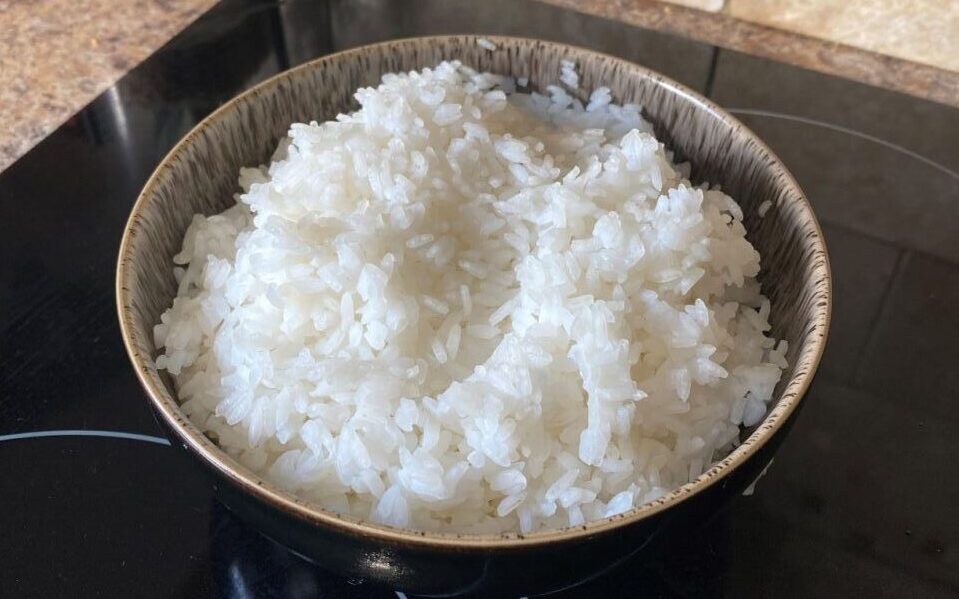
Rice is a very popular food that is ideal when weaning as it’s easy to prepare, helps with texture progression and can be offered alongside sauces and vegetables to create a balanced meal. In this blog, we’ll cover the most common questions around offering rice to babies, including all around the subject of when can my baby have rice, arsenics levels, as well as offering some food safety tips from expert Jenna Brown.
When can I offer rice to my baby?
From around 6 months, at the start of weaning, rice is perfectly safe to offer to little ones. We like to recommend starting the first few days of weaning with bitter, savoury vegetables and then moving on to iron-rich foods and balancing meals a bit more. Rice is a good source of carbohydrates, which provide the energy that babies need to grow and develop as well as contributing to their protein, calcium and B-vitamin intakes.
Should I worry about arsenic levels in rice?
A question that often comes up when rice is mentioned is “what about arsenic levels?”. Arsenic is a substance that is naturally found in the environment and can make its way into in regions across the world. Too much arsenic in our diet could be harmful to our health, but it is not possible to completely eliminate it from our foods.
The large association between rice and arsenic comes from the fact that rice can take up more arsenic from the environment than other cereals. There are two types of arsenic; organic and inorganic of which the inorganic kind is considered to be the most detrimental to human health. Whilst this may sound scary, it absolutely doesn’t mean that rice can’t form part of a healthy diet, for you or for your little ones.
In the UK there is strict legislation managing the amount of inorganic arsenic that is found in rice and rice containing products, and the amounts set are stricter for those products aimed at children.
Therefore, rice is a perfectly safe food to include as part of your family’s diet, but as with any other foods, it’s important to include a variety of carbohydrates, such as pasta, bread, rice, potatoes, quinoa, oats etc to help encourage diversity in yours and your little one’s diet! The advice is slightly different for rice milk, which we’ve written about below.
How should I offer my baby rice?
Rice can be a bit of a tricky texture for babies at the start of weaning – although it’s a soft and mushy and easy for them to swallow, it can be quite hard for them to actually move the rice around in their mouth, and also tricky for them to pick up. Mixing rice in with a sauce or using stickier varieties such as arborio rice can make it a little easier. Mixing it together with other ingredients and rolling into a ball can also make it easier for little hands to grab and eat.
Some of favourite baby-friendly recipes for offering rice include:
- Mushroom and chickpea stroganoff
- 15 minute peanut curry (make sure your baby has been introduced to peanut before offering this)
- Speedy eggy veg rice – this can work well mixed into a ball
- Family friendly coconut dahl
- Super quick creamy mushrooms
What about rice milk?
When it comes to rice milk, it isn’t advised to be offered to children under 5, because of the potential larger arsenic content that may be consumed this way. The reason this is different to rice is because children tend to drink more milk than adults and they also have a lower body weight so they are more likely to be exposed to higher amounts of arsenic when drinking rice milk as opposed to eating rice. Children over 5 years and adults can include rice milk as part of a varied and balanced diet.
If your child is dairy free, you can read more about plant-based milk alternatives, and yoghurt alternatives for children.
Do I need to start weaning with baby rice?
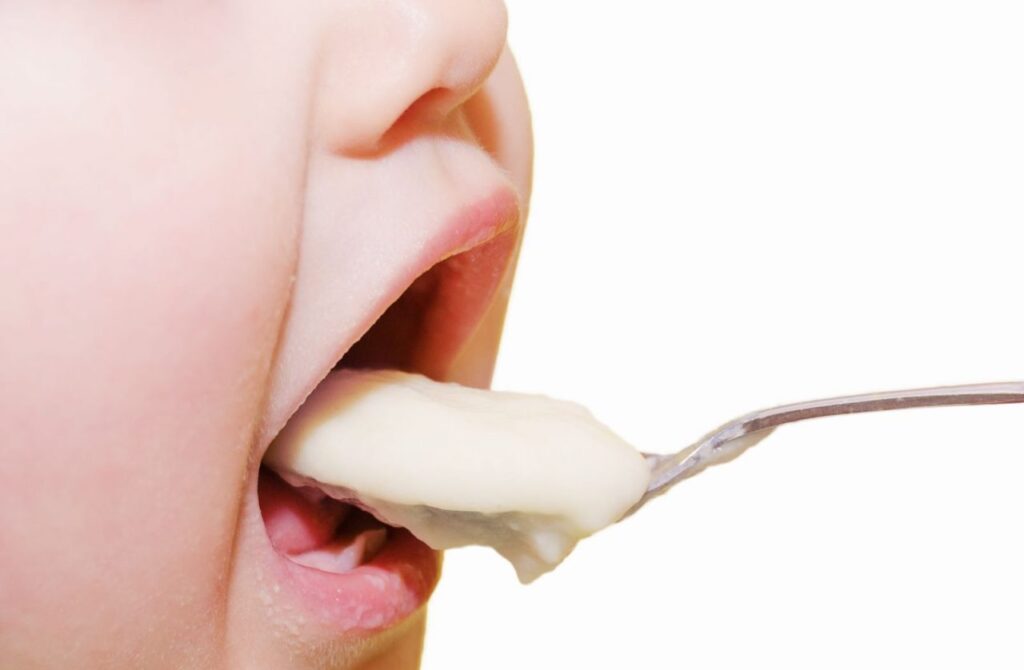
Many parents often feel that they need to offer baby rice first as it’s thought to be a gradual step towards solid foods. If you want to offer baby rice first, you absolutely can – it is often fortified with nutrients such as iron & zinc that are important when beginning weaning. However, NHS guidance states that “babies do not need baby rice to help them move to solid foods or sleep better.” So, whilst there’s certainly nothing wrong with offering baby rice first, it’s not a necessary first step when weaning and means that you don’t need to buy an additional food that only your baby will eat.
For more on offering baby rice or porridge as your baby’s first food, check out my blog.
Can I give my baby wholegrain rice?
Yes! This is another common question I get when talking about carbohydrates in general as many parents feel they shouldn’t offer their baby wholeg
rains. For babies and young children, too much fibre isn’t advised simply because it can mean they get full quickly and before they’ve had enough in the way of other nutrients. For children under 5, it’s not advised to give them only wholegrain carbohydrates, but offer a variety of both wholegrain and white varieties.You can read more about wholegrains for babies here.
Can my baby have rice cakes?
Rice cakes are a really popular snack for babies and children – particularly in the baby food aisle! Rice cakes alone don’t offer that much in the way of nutrition, but they can be a great way to offer a nutritious dip, or a topping like tinned fish or avocado. Remember that babies under 12 months don’t need snacks, so we wouldn’t recommend offering baby rice cakes as a snack to babies during weaning. Instead, offer them alongside your baby’s meals if you want to and include other nutritious foods for balance. You don’t have to offer ‘baby’ rice cakes, you can opt for the regular versions without added salt or sugar. Opt for thin versions and top with soft toppings such as yoghurt, cream cheese, avocado which help to moisten them and easier for babies to gum and soften.
What about rice and food poisoning?
(This section has been written by Jenna Brown. For more food safety advice, you can follow her on Instagram @foodsafetymum)
One of the things I ALWAYS get asked is whether it is safe to reheat rice! If you’re anything like me, I can never seem to gauge just how much rice to actually cook so I always seem to have left-overs. But, what’s all the fuss about with leftover rice?
It’s important to know that if cooked rice is not handled correctly, it can make you (or your little one) violently ill.
Rice contains bacteria called Bacillus cereus. Bacillus cereus is a spore forming bacteria; meaning that it forms protective layers (spores) which survive the heat of cooking. If cooked rice is left at room temperature for too long, then the bacteria can multiply and produce toxins; which can cause food poisoning. It’s important to point out here that once these toxins are present, they will NOT be killed by further reheating; regardless of reheating until piping hot!.
So, how can you handle leftover rice safely?
How quickly you cool rice after cooking is critical in ensuring that your leftover rice will be safe to use.
You should always make sure your rice is always cooled down as quickly as possible, but always within an hour and a half!
This doesn’t mean just puttin
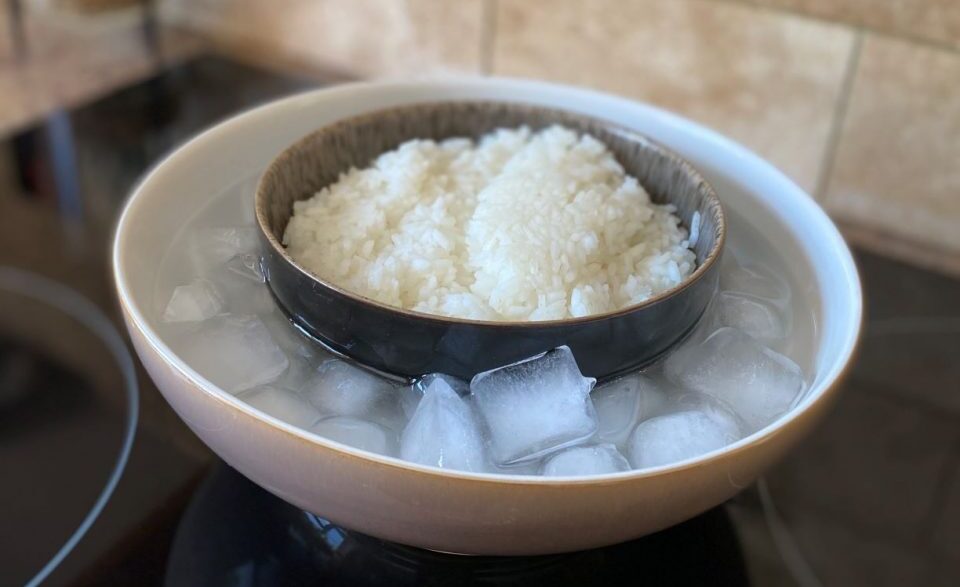
g cooked rice straight in the fridge though……..Simply putting hot rice in the fridge may not be enough to help cool it down quickly, especially as this will also raise the temperature of the fridge itself. Instead, I’d recommend stirring rice regularly and helping to speed up the cooling process either by:
- Running it under cold water (works great if you’ve not added anything to the rice!)
- Dividing it into smaller portions
- Using a homemade ‘ice bath’ – Like this….
Once your rice has cooled down, cover it, put it in the fridge and use within 24 hours! You can eat leftover rice cold from the fridge the next day but if you reheat, make sure you reheat fully until piping hot throughout.
Did you know?…. you can also freeze leftover rice?! Just make sure you still cool it down as quickly as possible after cooking and when you’re planning to use it, defrost overnight in the refrigerator and reheat until piping hot within 24 hours!
FAQS about rice for babies
1. Which type of rice is easiest for babies to eat?
Naturally sticky or soft rice varieties, such as Arborio (risotto rice), sushi rice, or well-cooked Jasmine rice, are often easiest for babies starting out. Because the grains stick together, your baby can scoop up small clumps with their fingers or a spoon, rather than struggling with dry, loose grains like Basmati.
2. How can I serve plain cooked rice so it’s less messy or tricky to handle?
If you’re serving standard long-grain or Basmati rice, try binding it with a sauce or purée! Mixing cooked rice with mashed avocado, lentil dal, warm vegetable purée, or full-fat plain Greek yoghurt helps bind the loose grains into soft, manageable bites for self-feeding.
3. Are rice cakes safe for babies?
Yes, plain, unsalted baby rice cakes are safe to offer occasionally as finger foods from around 6 months. However, try not to rely on them as a daily staple snack. Offering a wide range of alternative finger foods, like oatcakes, soft vegetable sticks, or toasted bread, helps keep their diet balanced and encourages texture progression. Opt for thin rice cakes and serve with a topping to help moisten them to make them easier for babies to manage.
4. Can I freeze home-cooked rice meals for baby batch cooking?
Absolutely! If you’re batch-cooking dishes like risotto or baby curry, cool the cooked food rapidly (within 90 minutes), portion it out, and freeze straight away. When you’re ready to serve it, thaw overnight in the fridge and reheat thoroughly until piping hot throughout, allowing it to cool down before feeding. Remember to reheat cooked rice only once.