
If you are wanting to know how much calcium do babies, toddlers and parents need, then all ages need a variety of vitamins and minerals to stay healthy. And calcium is one of the minerals that is crucial to our overall wellbeing.
To keep it simple, calcium aids our bodies in building and maintaining strong bones and teeth, while also helping to keep our nerves and muscles in tip-top condition. If that wasn’t enough, calcium also ensures our blood clots normally, so it really is an important mineral to include in our diets during every stage of life.
During childhood and adolescence, calcium is essential for the formation of strong, healthy bones and teeth. In fact, it’s thought that around 90% of our bone strength is achieved before the age of 18 in girls and before 20 years in boys!
During the teenage years, bones will continue to grow and develop until around the age of 25 when they reach their “peak bone mass.” This highlights just how important it is that your little ones are reaching their calcium intake throughout these critical stages of life.
Daily Guideline Amounts of Calcium:
Below I have included a table produced by the British Dietetic Association (BDA) which states how much calcium should be included in the diet from infancy all the way into adulthood, as well as during breastfeeding when the requirements increase dramatically.
| Group | Age (years) | Calcium (mg) per day |
| Infants | Under 1 | 525 |
| Children | 1-34-67-10 | 350450550 |
| Adolescents | 11-18 | 800 (girls)1000 (boys) |
| Adults | 19- 55 | 700 |
| Breastfeeding mums | 1250 | |
| Women following the menopause and men over 55 years | 1200 | |
| People living with coeliac disease* | 19+ | 1000-1500 |
| People living with osteoporosis | 19+ | 700 (up to 1000mg on osteoporosis drug treatments) |
| Inflammatory Bowel disease (while taking corticosteroids)* | 19+ | 800-1000 |
* Discuss the need for a calcium supplement with your doctor or dietitian.
Calcium during Pregnancy and Breastfeeding:
During pregnancy and breastfeeding, as baby’s need for calcium increases, a mother’s body adapts to increase the amount of calcium provided to a growing baby. This includes increased absorption rates as well as stores being drawn from the mother’s bones to supply extra calcium needed.
During lactation, calcium needs are met by changes in a mother’s body, including reabsorption of calcium from a mother’s bones. Breastfeeding mums also produce less oestrogen – a very important hormone that protects our bones. Therefore, it is no surprise that breastfeeding mums need quite a lot more calcium than the average, healthy adult.
In fact, studies have shown that women often lose 3 to 5 per cent of their bone mass during breastfeeding. The good news is that this is rapidly recovered after breastfeeding is stopped!
Best food sources of calcium for babies, toddlers and parents
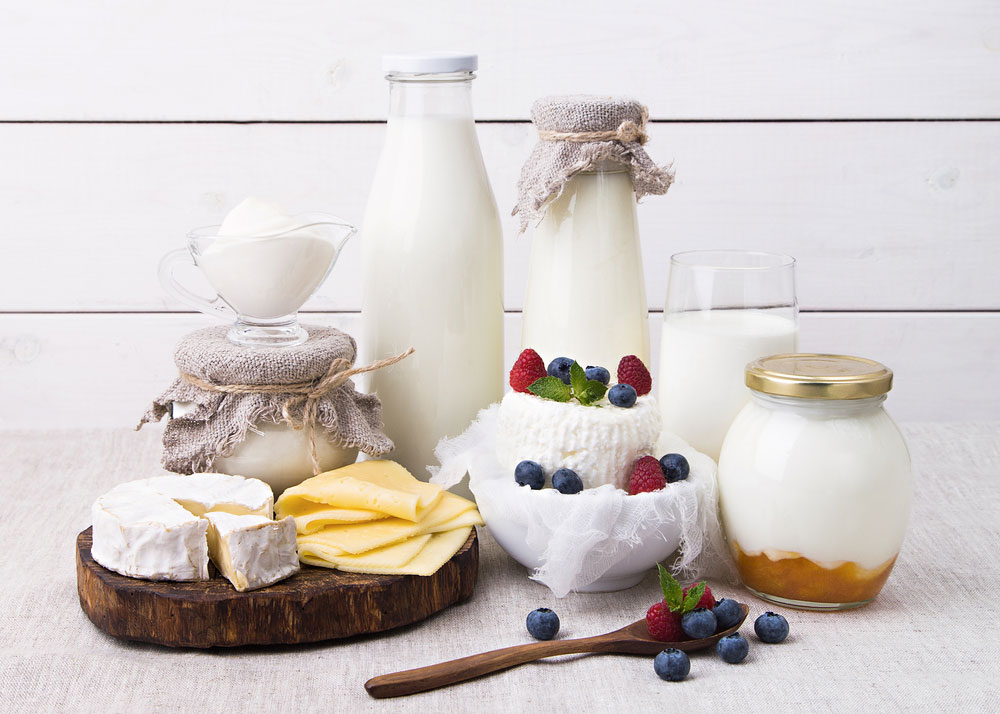
Luckily, we are fortunate enough to find calcium in a whole range of foods in the UK. These range from dairy products such as milk, cheese and yoghurt, to fruit and veggies such as broccoli, spring greens and oranges.
You will also find that a lot of cereals, bread and even orange juice are fortified with calcium – not all of them though, so it’s always worth checking the label!
Milk alternatives that have been fortified with calcium can also provide a really good source of calcium as part of a balanced diet, along with other important vitamins and minerals. Many fortified milk alternatives contain around 120mg of calcium per 100ml, which is similar to cow’s milk – but do check the label as this can vary between brands.
Included below are tables from the BDA which show the range of foods that can provide good sources of calcium for all ages! For more information, see the BDA factsheet on calcium here.
| Calcium in dairy products | Quantity | Calcium (mg) |
| Cow’s milk, including lactose free | 200ml | 240 |
| Sheep’s milk | 200ml | 340 |
| Goat’s milk | 200ml | 200-240 |
| Cheese:Cheddar Edam/HalloumiCottage | matchbox-size:30g100g | 240120 |
| Cheese triangle | 1 triangle (15-17.5g) | 120 |
| Yoghurt (plain) | 150g | 240 |
| Fromage frais | 1 pot (50g) | 60 |
| Rice pudding or custard pots | 1 pot (55g) | 60 |
| Malted milk drink | 25g serving in 200ml semi-skimmed milk | 800 |
| Rice pudding | ½ large tin (200g) | 180 |
| Custard – tinned | 1 serving (120ml) | 120 |
| Milk chocolate | 30g | 70 |
| Non dairy sources of calcium Calcium-fortified products | ||
| Calcium-fortified plant-based alternatives to milk e.g. soya, oat, nut, coconut, pea, rice* drinks | 100 ml | 120-190 |
| Soya bean curd/tofu (only if set with calcium chloride (E509) or calcium sulphate (E516), not nigari) | 100g (uncooked weight) | 300 |
| Calcium-fortified soya, coconut or oat yoghurt and soya dessert or custard | 100g | 120-210 |
| Calcium-fortified coconut cheese | 1 portion (30g) | 45-220 |
| Calcium-fortified infant cereals | 1 serving (20g) | 120 |
| Calcium-fortified cereals | 30g serving | 135-175 |
| Calcium-fortified instant hot oat cereal | 1 tbsp dry cereal (15g) | 200 |
| Calcium-fortified bread | 1 slice (37-50g) | 85-180 |
| Sardines (with bones) (in tomato sauce, olive oil, brine) | ½ tin (60g) | 240 |
| Pilchards (with bones) | 1 serving (60g) | 150 |
| Tinned salmon (with bones) | ½ tin (106g) | 60 |
| Whitebait | 1 small portion (50g) | 430 |
| Scampi in breadcrumbs | 6 pieces (90g) | 90 |
| White bread | 2 large slices (100g) | 155 |
| Wholemeal bread | 2 large slices (100g) | 105 |
| Pitta bread/chapatti | 1 portion (65g) | 90 |
| Orange | 1 medium (120g) | 30 |
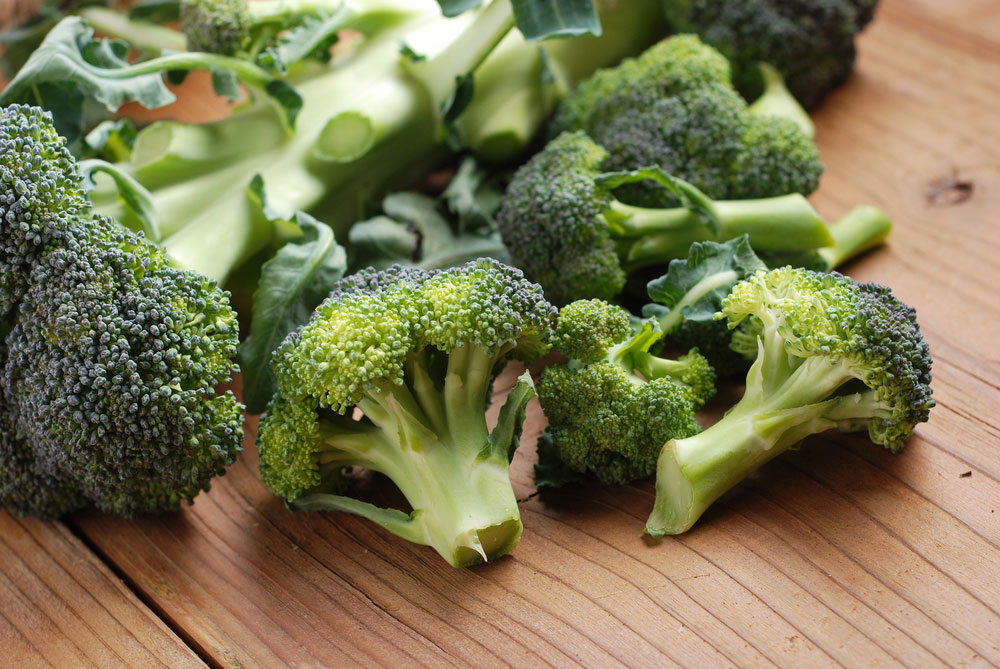
| Broccoli, boiled | 2 spears (85g) | 40 |
| Kale | 100g boiled | 150 |
| Spring greens | 1 serving (75g) | 55 |
*Children under four and a half years old should not have rice drinks as a replacement for cow’s milk, breast milk or infant formula.
Who’s at risk of Calcium deficiency?
Although calcium deficiency is rare, you may be more at risk if one or more of the following applies:
- You are on a cow’s milk-free or lactose-free diet
- You have coeliac disease
- You have osteoporosis
- You are breastfeeding
- You are past the menopause
A lack of calcium in the diet could lead to rickets in children and osteoporosis in adults. Rickets had mostly disappeared during the early 20th century; however, an increase has been seen in the number of cases in the UK, possibly due to low levels of vitamin D. Symptoms of calcium deficiency can include dental problems, poor growth and fragile bones – if you are worried this may apply to you or your child, please do see your GP.
Do you or your child need a calcium supplement?
If you are finding it hard to meet your daily requirements of calcium from the food in your diet, your doctor may advise you to consider taking calcium supplements. These are easily available from most pharmacies and supermarkets.
You may also qualify for free Healthy Start vitamins, which contain vitamins A, C and D. These are available via a prepaid card if you’re eligible – ask your Health Visitor or GP for more details.
It’s worth noting that it’s not generally recommended to give calcium supplements to children without advice from a healthcare professional, as most children can meet their calcium needs through food. If you have concerns about your child’s calcium intake, do speak with your GP or a Registered Nutritionist or Dietitian.
The NHS states that, for adults, taking calcium supplements of up to 1,500mg a day is unlikely to cause any harm; however, taking doses higher than this may lead to diarrhoea and stomach pain. It is unlikely that you’ll consume too much calcium from food sources alone, but do check any supplements you’re taking with your GP if you’re concerned.
What affects how your body absorbs calcium?
On the whole, the calcium absorbed from a mixed diet is relatively constant at around 25–35% absorption. In fact, there are a few components of our diet that can enhance or even inhibit this absorption of calcium from our foods.
For example, the presence of vitamin D really helps the body’s ability to absorb calcium effectively. In the UK, it is recommended that everyone takes a vitamin D supplement of 10µg per day during the autumn and winter months. Those who don’t spend much time outdoors, or who cover their skin when they are outside, should consider taking one all year round.
There are also naturally occurring molecules such as oxalates and phytates in our food, specifically in plant-based foods, which can inhibit the body’s ability to absorb calcium. These can be found in a variety of food sources such as spinach, beans, nuts and seeds. Oxalate molecules can bind to the calcium in the digestive system and reduce how much calcium is actually absorbed.
However, these are not a major concern for most people. As long as you’re following a healthy, balanced diet including foods from all the main food groups (or fortified alternatives), you should be able to get enough calcium.
On the other hand, for those on a plant-based diet or for whom calcium deficiency is a concern, it may be worthwhile looking into the best sources of calcium to include in your diet.
Calcium on a vegan or plant-based diet
It is really important that calcium intake is carefully considered if you are thinking of adopting a vegan or plant-based diet for yourself or your family. Since most non-vegans get their calcium from dairy foods, it can be a little bit more challenging for vegans, but it absolutely can be done!
For more on this, check out my blog on Plant-Based Eating for Children.
Below is a list of foods that are a good source of plant-based calcium. You can read more about this on the NHS website as well as the Vegan Society Calcium Factsheet.
Food sources of calcium for vegans:
- Fortified unsweetened soya, oat and other plant-based drinks
- Calcium-set tofu — 100g can provide around half of an adult’s daily needs! Check out my blog on why tofu is a brilliant food for babies and toddlers.
- Sesame seeds
- Tahini
- Pulses
- Brown and white bread (both have been fortified with calcium in the UK)
- Dried fruit, e.g. apricots, figs
According to the Vegan Society, around 400ml of calcium-fortified plant-based milk alternatives provides roughly two-thirds of an adult’s recommended daily intake of calcium!
When it comes to the most easily absorbed plant-based calcium sources, these include:
- Fortified soya milk
- Calcium-set tofu
- Fortified orange juice
- Chinese vegetables such as bok choy
- Kale
- Broccoli
- Brussels sprouts
Take home messages:
Calcium intake is super important during childhood and the teenage years. It’s really essential to ensure your child is meeting recommended intakes to give them the best chance of developing strong and healthy bones that will last them a lifetime!
It’s actually really easy to get calcium from food sources, even if your family doesn’t include dairy. Fortified plant-based milks, calcium-set tofu, fortified cereals, tahini, and leafy greens like broccoli and kale are all great options.
A lot of foods and beverages have been fortified with calcium and can be a really good way of reaching those daily requirements – but do make sure you check the label.
You may be entitled to free Healthy Start vitamins (containing vitamins A, C and D) if you’re eligible – find out more at healthystart.nhs.uk.
If you’re concerned about your child’s calcium intake, it’s best to have a chat with your GP or a Registered Nutritionist or Dietitian rather than supplementing without professional advice.