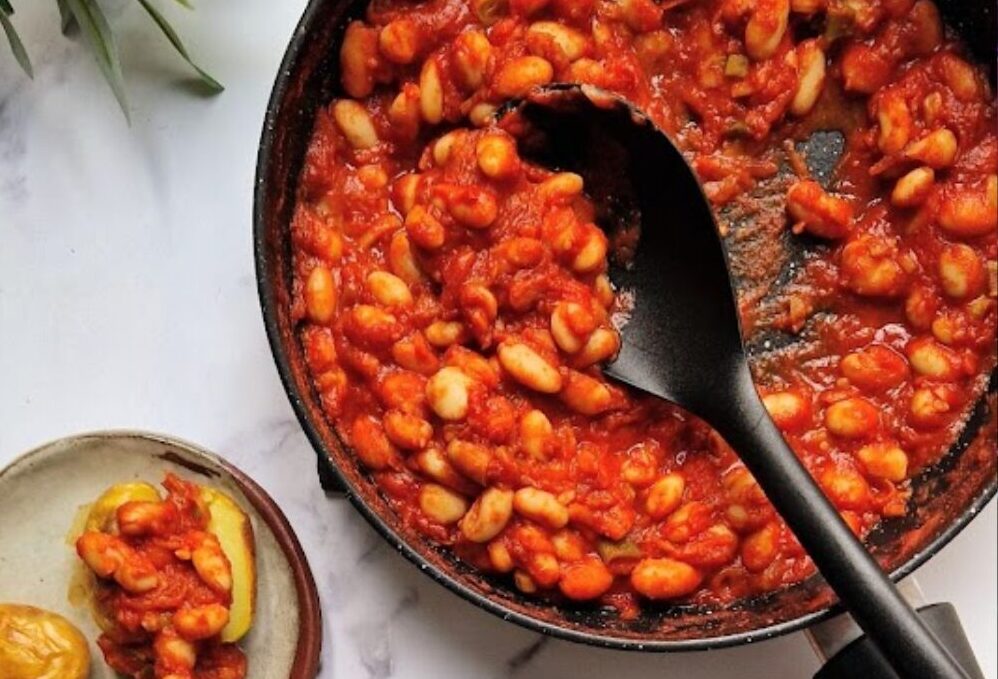
Beans and pulses (like lentils, chickpeas, butterbeans, and cannellini beans) are some of our absolute favourite foods for feeding kids. They are affordable, store cupboard staples and contain plant-based protein, iron, zinc, B vitamins, and fibre. Which is why I have put this blog together showing you there are some fantastic and easy beans and pulses recipes for kids!
Whilst beans and pulses have many health benefits, we know that lots of parents struggle to help their children accept them. We also know that the vast majority of children in the UK aren’t eating enough fibre in general.
In this blog, we take a look at why bridging the UK “fibre gap” matters, share practical tips for overcoming picky eating around pulses, and include our top 7 kid-approved bean and pulse recipes.
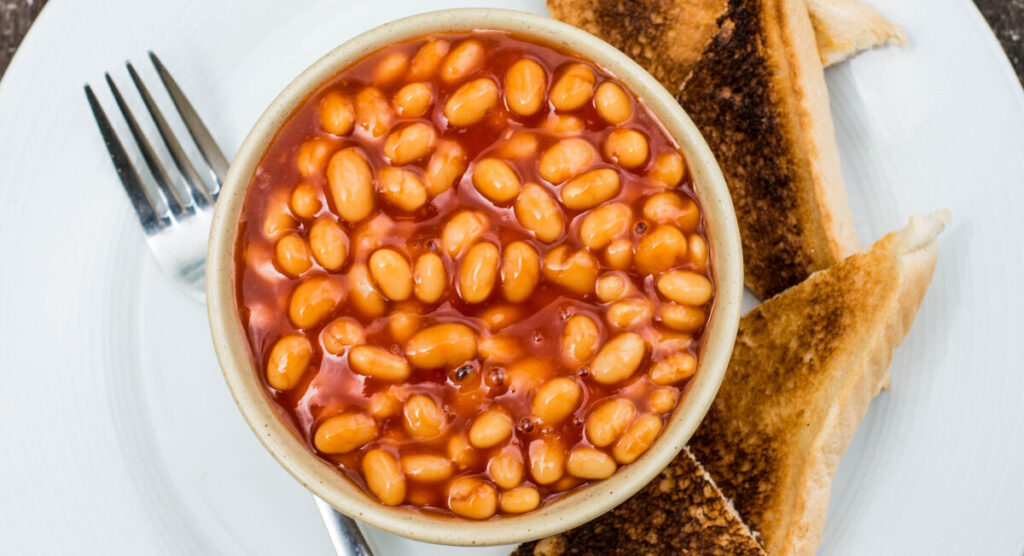
Why beans and pulses matter for kids’ nutrition
Fibre can play an important role in our children’s health. It supports better digestion, helps prevent common issues like constipation, and feeds the ‘good bacteria’ in the gut, which supports our immune system. (acting as a prebiotic to support overall immunity).
However, data from Veg Power’s ‘Feel the Fibre‘ campaign highlights a significant dietary gap among UK children:
- 86% of primary-aged children in the UK do not reach the recommended fibre target of 20g per day.
- Only 46% of parents recognise that their child actually needs more fibre in their diet.
- 64% of parents report that their child eats beans or pulses less than 3 times a month (with 50% serving them less than once a month).
- 43% of parents report that their child resists eating meals when beans are visibly noticeable.
- While 66% of parents want their family to eat more beans and pulses, 48% feel unsure about how to prepare or include them in family meals.
If your child isn’t sure about whole beans, you are certainly not alone! The good news is that there are plenty of ways to introduce pulses to your kids, without serving only whole beans for them to pick out. Blending, mashing, or incorporating pulses into familiar sauces can be a subtle way to build familiarity with flavours, whilst adding nutrition.
Whole beans can be a choking hazard for younger babies, due to the size and shape. It’s a good idea to mash or blend whole beans when offering them to younger babies. Once your child has developed more of a pincer grip and can independently pick them up, soft beans should be manageable, but this will depend on your baby’s own chewing skills and how well they’re managing textures. You can always flatten them a little with the back of a fork if you are worried. Read more on preparing common choking hazards for little ones, here.
For more on when to offer beans to a baby when starting solids, check out my blog.


Top 7 beans and pulses recipes for kids
Here are seven simple, delicious, and versatile beans and pulses recipes for kids, designed to help your little ones enjoy the benefits of beans and pulses – from soft purees to blended sauces and dips.
1. Spinach, strawberry and butter bean baby puree
A brilliant early weaning recipe! Butterbeans provide a silky, creamy texture when blended, which pairs really nicely with the spinach and the natural sweetness of the strawberries.
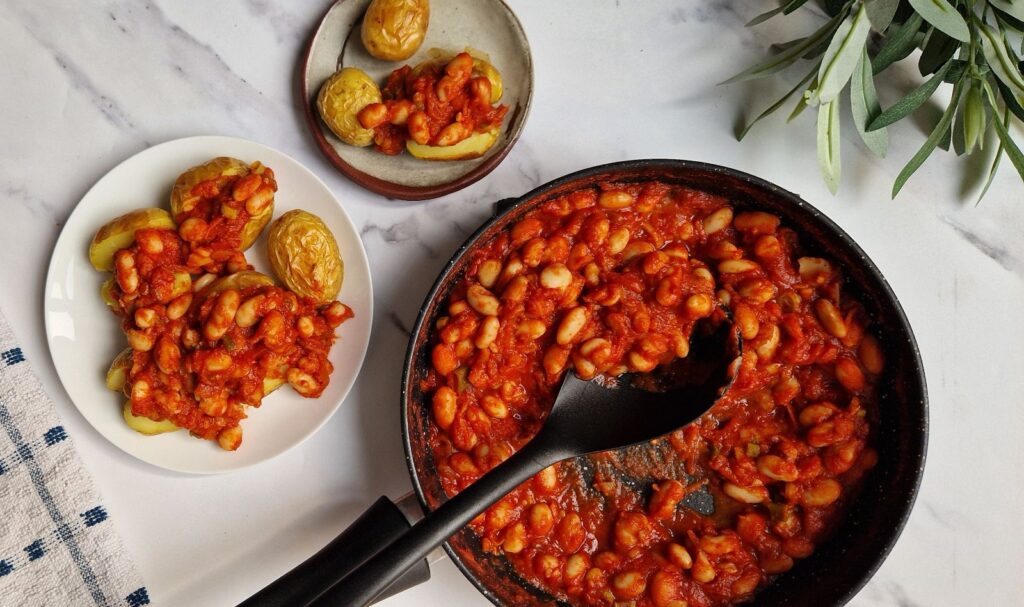
2. Homemade baked beans with mini jackets
A low-salt, low-sugar alternative to canned baked beans. We love the novelty of serving these alongside mini baked potatoes, which also cook much quicker than a regular jacket potato. You could also serve them with toast, cheese and some veggie sticks.
3. Baby-friendly bean stew
A comforting, veg-packed stew that introduces whole or lightly mashed beans in a savory, mild sauce. It’s easy to adjust the texture depending on whether your child is weaning or managing more complex textures.
4. Butterbean hummus
This recipe swaps traditional chickpeas for butterbeans, which we find makes the dip extra smooth ! This dip is ideal for veggie sticks, pitta strips, or oatcakes, and makes an excellent nutrient dense side for little ones – and adults!
5. Roasted pumpkin and cannellini bean soup
Blending beans into soups is a really easy way to add protein, iron, and fibre without changing the flavour or texture too much. Soup alone often isn’t particularly balanced, so adding some beans/pulses and serving alongside some toast or sandwiches can make it into a much more balanced and satisfying meal.
6. Sweet potato, butterbean and cumin mash
We love this as an early weaning option or also as a side for all sorts of warming meals. It makes a great, more nutrient dense side to a roast, stew, curry or alongside some fish, chicken or tofu.
7. The ultimate tomato sauce
If your child is one of the 43% who aren’t keen on visible beans, this recipe can be a game-changer. Blending lentils or beans directly into a tomato pasta sauce boosts fibre and protein while keeping the sauce completely smooth.


3 tips for serving beans to little ones
- Rinse canned beans thoroughly: The liquid in canned beans contains complex oligosaccharides (sugars) that can sometimes cause wind. Rinsing beans under cold water until the bubbles disappear helps to wash away these sugars and make them easier on little ones’ digestive systems
- Offer plenty of water: As you gradually increase the amount of fibre in your child’s diet, ensure they drink plenty of water throughout the day to support their digestive system
- Start small & blend: If pulses are new to your child, start by stirring a small amount (e.g. a tablespoon) into sauces like bolognese, soup or curry
FAQS on beans and pulses for kids
1. Are tinned beans safe for babies, or should we use dried beans?
Yes, tinned beans are safe, nutritious, and convenient for families. When choosing for babies and toddlers, opt for varieties that are tinned in water, without added salt or sugar.
If you prefer to use dried beans, ensure they are soaked overnight and thoroughly cooked until completely soft.
2. How can we prepare whole beans safely to prevent choking?
Whole, round, or firm beans can presen
t a choking risk for young babies developing their chewing skills. To serve them safely, flatten whole beans between your thumb and finger or with the back of a fork before serving as finger food.For younger babies, mash pulses wi
th a fork or blitz them smoothly into purees, hummus, and pasta sauces.3. What should we do if beans cause our child to have wind or gassiness?
Some extra wind can be completely normal when introducing more fibre rich foods to babies and young children. However, if your little one is experiencing discomfort:
- Introduce beans in small amounts (e.g. 1 tablespoon at a time) and gradually increase portion sizes over a few weeks.
- Rinsing tinned beans with plenty of water until all of the bubbles disappear can help to wash away gas-causing sugars.
- Make sure your child drinks plenty of water throughout the day, as fibre needs liquid to move comfortably through the digestive system.
4. Are beans a good source of iron for vegetarian or plant-based children?
Beans and pulses provide plant-based (non-haem) iron, which supports energy levels and brain development.
To help your child’s body absorb plant-based iron most effectively, serve beans alongside foods rich in Vitamin C, such as tomatoes, peppers, broccoli, or fruits such as strawberries, oranges or kiwi.
I hope you love these beans and pulses recipes for kids – my kids love them all!