
Why They’re a Weaning Cupboard Staple
Eggs are one of the most versatile, nutrient-rich and budget-friendly foods to offer during weaning and beyond. But they’re also one of the foods that parents have the most questions about especially with eggs for babies. Can babies have runny eggs? How many is too many? What about egg allergies?
This blog covers everything parents need to know about eggs for babies, including the key nutrients they provide, how many eggs babies can have, the latest UK safety advice on runny eggs, what to do about egg allergies, and simple ways to serve them at every stage of weaning. Whether weaning has just begun or a toddler is well into family meals, eggs deserve a regular spot on the menu.
Welcome to another blog in the First Foods Focus series about perfect cupboard staples during weaning. Today is all about eggs for babies – a food that often causes confusion for a number of reasons during weaning, and one that parents are forever asking questions about too! Eggs are a great option during weaning. The reason for this?
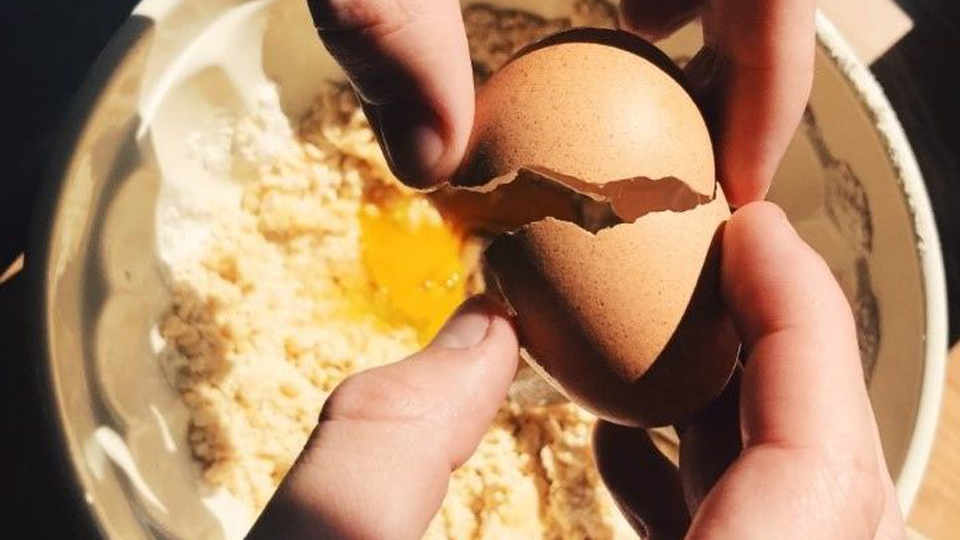
Eggs are:
- Nutrient-rich
- An allergen (good to introduce early)
- Versatile
- Accessible
- A useful ingredient in lots of other foods
- Quick to cook
When it comes to eggs, they are a really quick, go-to option for baby meals that parents can feel confident about – knowing they’re also nutrient-rich.
What nutrients do eggs contain?
- Vitamin A
- Vitamin D
- B vitamins such as folate & riboflavin
- Choline
- Phosphorus
- Iodine
- Selenium
As well as being an excellent source of protein and containing some omega-3 fatty acids too. Info taken from https://www.egginfo.co.uk/egg-nutrition-and-health/egg-nutrition-information/vitamins-and-minerals & based on info from Nutrition & Health Claims register
That’s quite some feat!
And add to that the fact that they are so easy to combine with some veggies (think peas) and some carbs (think potatoes or toast fingers) and you can see why they are often a go to option for parents and when feeding baby!
Can babies have too many eggs?
This is one of the most commonly asked questions: How many eggs can a baby have? What’s too much?
Previously eggs were recommended to be limited to 3 a week for adults, which is why there are lots of questions about how many can be eaten. But this advice was dropped in 2007 due to more research and more knowledge on the safety of eggs.
There are no official recommendations on HOW MANY eggs can be eaten a day, for adults or for children. Therefore it’s absolutely fine to offer eggs regularly, as part of a balanced diet, and offering an egg a day is also OK to do for babies during weaning and after first tastes.HOWEVER, there is a caveat, and that is that variety is always key when it comes to a baby’s diet. So although eggs are super nutrient-rich, it’s good to get a variety of nutrients from a variety of sources each day. It’s also always worth varying protein sources so little ones are getting a variety from: meat, eggs, fish, beans, lentils, pulses etc.
Are eggs safe for babies? Risk of food poisoning
In 1988 a politician said that eggs contained salmonella, leading to widespread concerns about eating them. Since then, chickens have been vaccinated and the risk of salmonella is minimal.
Previously pregnant women and babies were recommended to ONLY have well-cooked eggs, but this advice changed back in 2017 and now the guidance is that babies and pregnant women can have soft-cooked or runny eggs from 6 months as long as they carry the British Lion stamp
Other eggs are fine for baby as long as they are well cooked all the way through, just as a precaution.
More information about these changes can be found on the Food Standards Agency website.

Egg allergies in babies
Dietitian Penny has written all about allergies and went into some detail about eggs and how to introduce them into a baby’s diet in the blog Introducing Allergens to Baby. So do check that out for concerns about offering eggs to babies. There is actually lots of research suggesting that early introduction could be important to reduce the risk of an allergy developing.
There seem to be lots of parents who are concerned that their little ones have an egg allergy. It can be scary, but there are also tonnes of egg-free recipes available too.
One great egg alternative to use in egg-based recipes such as pancakes and baking is a Chia Seed egg. There is a video below which shows how to make these – they are super simple.
A flaxseed egg (similar recipe to chia seed egg) is another option, or egg replacers from health food stores work well too.
Sustainability and eggs
Some people worry about sustainability around eggs, and for ethical reasons some families may choose not to have them, for very good reasons too. Here are some things to consider:
- Vary protein sources so little ones are having lots of plant-based proteins such as chickpeas, lentils, tofu, beans and nut butters, as well as some eggs and fish (and meat, if the family eats it).
- Choose organic and/or free-range eggs where possible – they are a little more expensive, but varying eggs with other super-cheap protein sources such as tins of beans or dried lentils can help balance out the costs.
- Choose local eggs from local hens and just make sure they are cooked thoroughly. Local farms and family members who keep their own hens can be a wonderful source of eggs.
For vegan or vegetarian babies, check out the blog on plant-based eating for children, as it can help to make sure nutrient intakes are still balanced when fish, eggs and meat aren’t included in a little one’s diet.
Eggs as a cupboard staple and how to serve them
For all the reasons above, eggs are a great
store-cupboard staple to have during weaning and throughout all ages too.They are so quick to put into recipes, and here are some of the best ways to use them:
- Eggy rice – try my speedy eggy veg rice
- Omelettes
- Pancakes – I have so many baby-friendly pancake recipes
- Frittatas – this baby frittata is a great way to include some green veg
- Cakes – try these healthy birthday cakes for babies
- Scrambled egg on toast
- Hard-boiled egg fingers
Muffins – these veggie green egg muffins are great for lunchboxes & on the go, or try these breakfast muffins for babies and toddlers.
Eggs make a really simple option when ideas are running low, or a good nutritious choice when time is short or a light meal is needed for baby.
Frequently Asked Questions About Eggs for Babies
When can babies start eating eggs?
Eggs can be introduced from around 6 months of age, once weaning has begun. In fact, as eggs are one of the top allergens, current UK guidance encourages introducing them early on, as research suggests this may help reduce the risk of an allergy developing.
Can babies eat runny eggs?
Yes! Since 2017, the Food Standards Agency (FSA) has confirmed that babies, children and pregnant women can safely eat soft-cooked or runny hen’s eggs, as long as they carry the British
Lion stamp. This applies to dippy eggs, soft scrambled eggs and lightly cooked eggs in recipes. Eggs without the British Lion stamp (such as duck eggs, goose eggs, or eggs from non-Lion-marked hens) should still be cooked all the way through as a precaution.How many eggs can a baby have per day or per week?
There are currently no official UK guidelines limiting the number of eggs a baby or child can eat per day or per week. Offering an egg a day as part of a balanced diet is absolutely fine. That said, variety is key, it’s a good idea to rotate protein sources (such as meat, fish, beans, lentils, tofu and eggs) so little ones get a broad range of nutrients.