
We get asked so often about gut health and probiotics. It’s a huge topic in the nutrition world right now, and naturally, we all want to do the best for our little ones’ tummies! Fermented foods have become quite a trendy ‘health food,’ but they’ve actually been popular in many diets across the world for a really long time. Offering fermented foods for babies and toddlers doesn’t have to be complicated. In fact, it can be a really fun way to explore new tastes and textures.
We’ve written before in detail about probiotics for babies and young children, and this blog we’ll focus specifically on fermented foods.
What are fermented foods?
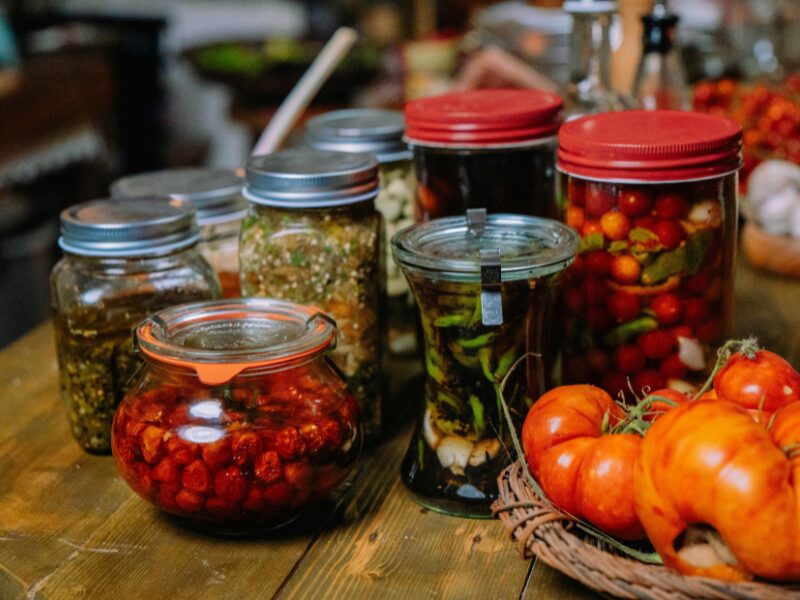
Fermented foods are foods that have been changed through a natural process where friendly microbes (like bacteria or yeast) break down parts of the food, often sugars. This is what gives foods like yoghurt, kefir, sauerkraut and miso their distinctive tangy flavour.
Below is a list of some fermented foods you might find – not all are age appropriate for little ones. At the end of the blog you’ll find ways to incorporate fermented foods into your baby’s diet.
Common fermented foods:
- Natural yoghurt (plain/Greek)
- Kefir (milk kefir or kefir yoghurt)
- Live cultured cottage cheese / some live cultured cheeses (check labels)
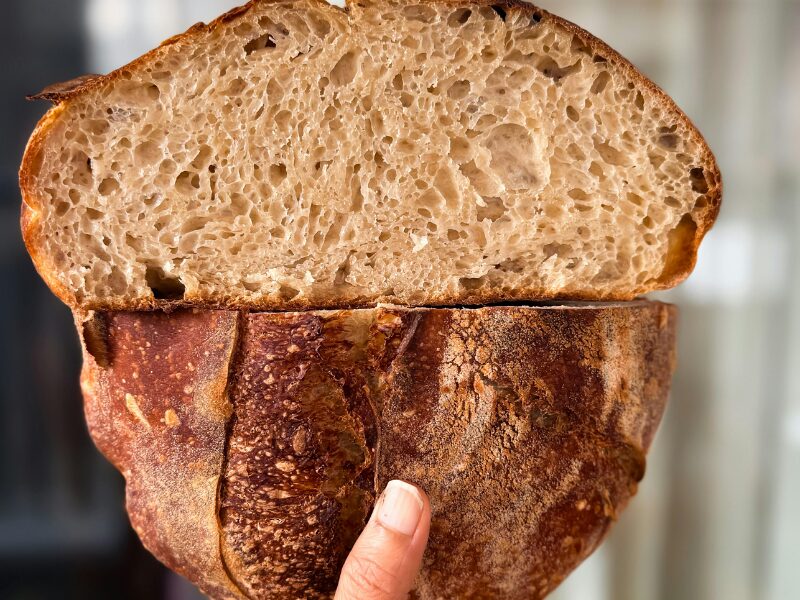
- Sourdough bread (fermented before baking)
- Tempeh
More “tangy” options (often higher salt / stronger flavours):
- Sauerkraut
- Kimchi
- Miso
- Tamari/soy sauce (fermented, but very high salt – generally not a “fermented food” we’d use for probiotic benefits)
Other fermented foods you might see (culture-dependent):
- Kombucha (contain caffeine/added sugars)
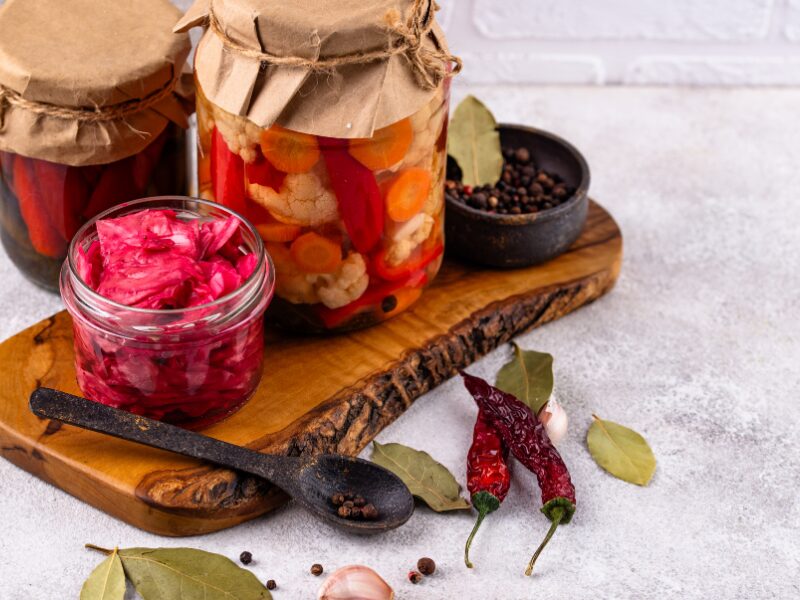
- Fermented pickles (can be high in salt)
- Natto (fermented soybeans)
Why are fermented foods good for babies and children?
- Support for gut/“good bacteria”: Some fermented foods contain live cultures. These can add to the mix of microbes living in your child’s gut – often called the “gut microbiome”. In simple terms, the gut microbiome is the community of tiny organisms that live in the digestive system and help with things like digestion and supporting the immune system.
- Taste exposure: Fermented foods are often sour and sometimes have bitter flavours. Because babies naturally prefer sweet tastes at first, weaning is an opportunity to gently introduce a wider range of flavours – including sour and bitter tastes.
- Nutrition: Fermentation may make certain nutrients easier to absorb for some people, depending on the food and how it’s made (more on this below).
Why is fermentation beneficial?
We often talk about what babies eat, but what they actually absorb from food can be just as important. This is where fermentation is a bit of a superpower!
The beneficial bacteria in fermented foods can be thought of as little “helpers.” They’ve already started breaking down parts of the food during the fermentation process, before your baby even takes a bite.
As an example, many grains, seeds, and legumes contain a natural compound called phytic acid, which can reduce the absorption of minerals like iron and zinc. The fermentation process reduces the impact of phytic acid, making minerals such as iron and zinc more “bioavailable” to your baby’s body.
The bacteria in fermented foods can also break down complex proteins and sugars (like lacto
se) into smaller, simpler forms that are easier to digest. This is why natural yoghurt is often gentler on sensitive tummies than milk, as the bacterias have already done some of the hard work in digesting!It is also fascinating to see how the process of fermentation might naturally boost nutrients, with some studies showing increased B Vitamins and Vitamin K in fermented dairy and soy. However, much of this research is inconclusive and we need more robust human evidence before making any concrete claims. Think of these potential extra vitamins as a ‘nice-to-have’ bonus, rather than something to rely on, especially in the case of vitamin B12 in plant-based diets for children.
Are fermented foods safe for babies?
Yes, but with a few very important caveats!
1. Watch the salt: Traditional fermented foods like sauerkraut, kimchi, and miso are often preserved using salt.
- For babies (under 12 months): Salt should be kept to a minimum wherever possible. You can still offer these foods, but include them as small additional tastes, rather than a main portion. You can also rinse them in water before serving to reduce the salt content somewhat.
- For toddlers: The recommendations around their daily salt intake are slightly higher, but moderation is still important. These foods can still absolutely be offered, but consider the amounts you’re offering, and rinsing them before serving may still be recommended.
For more on salt recommendations for babies, check out my blog.
2. Texture and safety: Crunchy raw vegetables can be a choking hazard. Always ensure textures are age-appropriate, chop them finely or mash them into other foods.
You can find more detailed information on preparing foods safely for your baby in this blog.
3. Pasteurised vs. Unpasteurised: This can be confusing, but it depends on the food type. For example:
- Vegetables (sauerkraut/kimchi): You do want the “raw” or unpasteurised versions found in the fridge section. If they are pasteurised (heat-treated) and sitting on a warm shelf, the beneficial bacteria have likely been killed off.
- Dairy (yoghurt/kefir): It’s important to always ensure the milk used was pasteurised (to kill harmful pathogens like Listeria), but look for “live cultures” or “bio-live” on the label. This means the friendly bacteria were added after the milk was made safe via pasteurization.
5 practical ways to include fermented foods in your kids’ diets
Here are some simple ways to include fermented foods in a child-friendly way.
1. Natural yoghurt
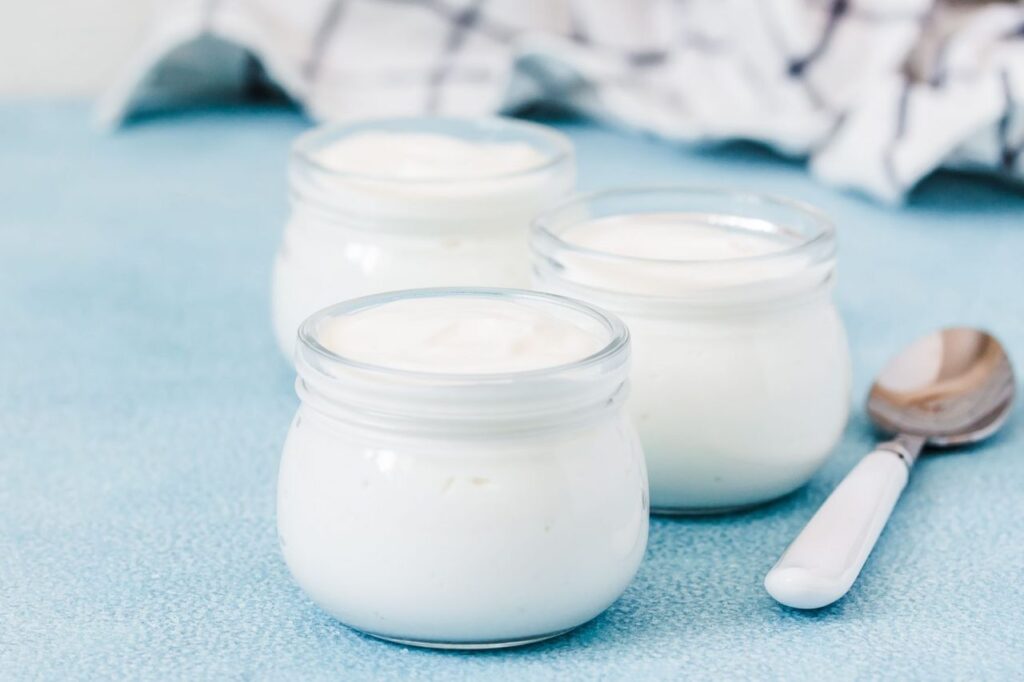
You are probably already doing this one! Natural or Greek yoghurt is a fermented food. I always recommend opting for plain, unflavoured yoghurt wherever possible and sweetening it yourself with some mashed up fruit.
For a simple, gut friendly snack, try my frozen yoghurt bark recipe – it’s super simple and perfect for getting the kids involved as well.
2. Kefir
Think of this as a drinkable yoghurt. It’s often even higher in probiotics than regular y
oghurt and has a distinctive tang. As with choosing a yoghurt, opt for unflavoured versions and blend with fruit to sweeten it, as the flavoured versions can often be higher in added sugars.This family friendly smoothie recipe could easily be made with kefir/kefir yoghurt or even some yoghurt. Kefir can also be used in pancake batter to make lovely, fluffy pancakes and a great way to mask the sour taste for toddlers.
3. Sourdough bread
Sourdough is fermented using wild yeast and bacteria. While the baking kills the live bacteria, the fermentation process breaks down the gluten and phytic acid, making it gentler on little tummies and often easier to digest.
Try using sourdough toast as a base for some of my favourite healthy toast toppings.
4. Sauerkraut (fermented cabbage)
This may not be the first food most people think of as a typical ‘baby friendly food,’ but you can absolutely experiment with offering it to your baby.
While sauerkraut might feel like a new “health trend” here, it has been a family staple across Central and Eastern Europe for generations! For example in Germany, it’s traditionally served alongside meat and potatoes and in Poland it’s often stuffed inside dumplings (pierogi) or mixed into stews.
Cooking sauerkraut creates a lovely soft texture for babies and is delicious, but high heat does kill the beneficial bacteria. If you want the full probiotic benefits, serve it raw! But if you just want to get your little one used to the sour flavour first, cooking it into a stew can be a brilliant stepping stone.
5. Tempeh
Made from fermented soy beans, tempeh is a brilliant source of plant-based protein and iron. It has a much firmer, “meatier” texture than tofu and a slightly nuttier flavour.
Can I swap it into tofu recipes?
Yes! If you’ve made any of Charlotte’s tofu recipes (like the tofu katsu curry from How to Feed Your Toddler or the tofu pasta bake, you can absolutely try swapping the firm tofu for tempeh. There are a couple of things to bear in mind:
- Texture: Because it’s denser, it holds its shape really well during cooking (it doesn’t crumble like tofu can!).
- Flavour: Tofu is very neutral, whereas tempeh has a distinct earthy taste. It absorbs flavours really well, so it works well in saucy dishes or marinades.
How to make Tempeh texture safe for babies:
- Steam it first: Before you fry or bake tempeh, steam or boil the block for 10 minutes. This softens the beans significantly, making them much more tender for little mouths
- Grate it: For the youngest babies (6-7 months) who are just starting, grating tempeh into a sauce (like a bolognese) is the safest method. It mimics the texture of minced meat. It would also work well in this scrambled veggie tofu recipe.
- Thin strips (not cubes): For finger food, cut it into thin, finger-sized strips rather than cubes. If you’ve steamed it first, they can hold it and gnaw on it safely. Avoid dry, crispy cubes until they are confident chewers.
But doesn’t cooking kill the bacteria?
Yes, it does, and tempeh must always be cooked for safety! But there are still plenty of benefits for your child’s gut health. The fermentation process has already done the work of “unlocking” the nutrients and breaking down the beans to make them easier to digest. Plus, it is packed with fibre to feed your baby’s existing gut bacteria.
Take home message
Ultimately, you don’t need to worry about offering these foods ALL of the time – and it’s perfectly natural for your little one to take some time to get used to some of these flavours. We always talk about the importance of offering a variety from an early age. It’s about giving your baby the opportunity to learn about and explore different flavours.
That doesn’t mean they’re always going to enjoy them straight away, and their taste preferences are bound to change, many times! But, including some of these foods in your family’s diet can be a great way to add a little more variety, flavour and provide some gut health benefits as well.
Further resources You might find Charlotte’s podcast episode ‘Gut Health from the Very Beginning” with Lucy Jackman, of The Happy Tummy Dietitian useful. Lucy has so much helpful knowledge around gut health and plenty of evidence-based and practical advice to help you understand how to actually support your little one’s gut health.