
What It Tells Us About Baby Weaning, Allergens and Vitamin D
A practical, evidence-based summary of the UK Infant Feeding Survey 2024 focused on baby weaning and complementary feeding. This article covers age of introduction to solids, first foods, iron-rich foods, finger foods, baby snacks, salt use, allergen introduction (peanut, egg, sesame), drinks, and infant vitamin D drops. It also explains how current feeding patterns compare with UK recommendations and gives parent-friendly tips on starting solids, introducing allergens safely, and supporting nutrition from 6 to 12 months.
The UK has just released results from the first national survey on feeding babies – the Infant Feeding Survey (IFS) for 14 years! It’s so great to see this kind of survey being carried out, and gives us some really valuable insight into what babies are eating, and what could be improved. The survey was carried out in 2024, with the results being released in June 2026. It was led by the Office for Health Improvement and Disparities (part of the Department of Health and Social Care) and followed over 10,000 mothers across three stages of their baby’s first 10 months of life.
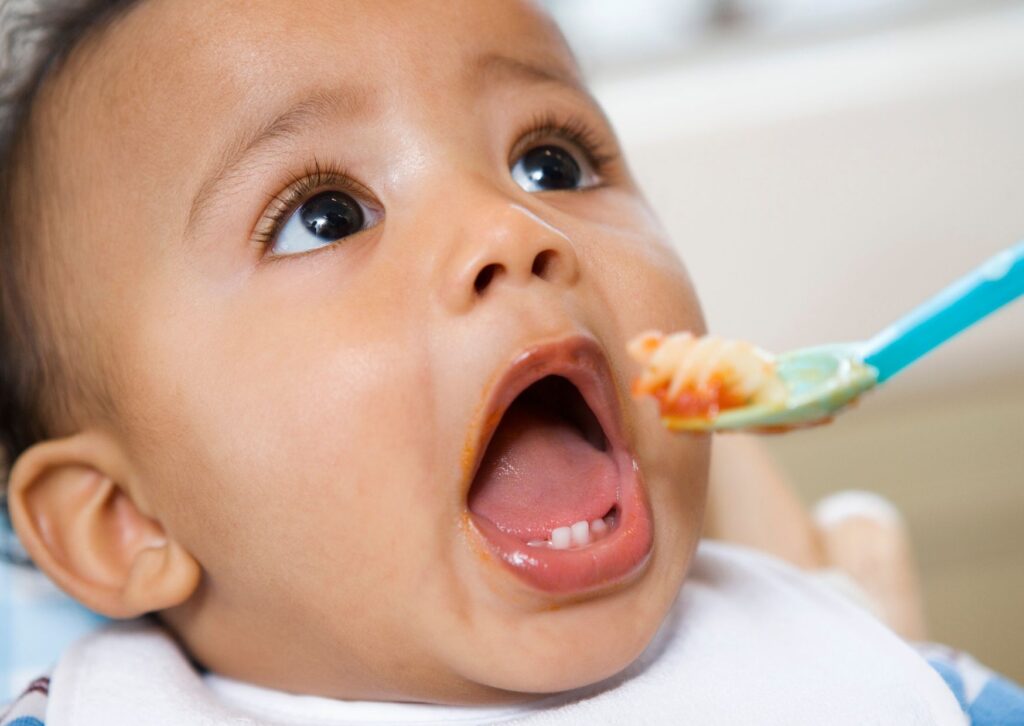
As a baby and child nutritionist, it’s really interesting to get this kind of data and get an insight into how families are actually feeding their
babies and how we can continue to support the sharing of evidence based, practical guidance.In this blog, I’m going to pull out all the key findings on introducing solid foods, from when babies are starting, to what they’re eating, to how allergens are being introduced, as well as sharing my thoughts on what’s going well and where we can do better.
Just a note to say that due to changes in the methodology, the 2024 results aren’t directly comparable with the 2010 survey, although there are some areas where we’ve been able to compare. It’s unfortunate not to be able to compare all of the results, but hopefully we won’t have to wait another 14 years for the next one!
When are babies starting solid foods?
The great news is that around two-thirds of mothers (67%) introduced solid foods when their baby was 6 months (26 weeks) or older, which is in line with current UK guidance recommending starting weaning around 6 months. In the previous survey in 2010, 94% of babies had already been offered solid foods by 6 months
However, 19% of mothers had introduced solid foods by 5 months (22 weeks), and a further 12% started between 5 and 6 months. So around 1 in 5 babies are starting weaning earlier than recommended.
Of course there are scenarios where starting weaning before 6 months may be advised. For example, babies who have a higher risk of food allergies may be advised by a healthcare professional to introduce allergens as early as possible. It may also be the case that babies are developmentally ready for weaning before 6 months. All babies develop in their own time, and so it’s really important to look out for signs of readiness when starting weaning. Which leads on nicely to the next part of the survey…
Why are parents starting solids?
The top reasons were really encouraging:
- 66% of mothers said “I thought it was the right time”
- 57% said “My baby was able to sit up and hold food”
- 43% said “I was following NHS guidance”
It’s brilliant to see that signs of readiness, like being able to sit up and hold food, are featuring so strongly in parents’ decision-making. If you’re not sure what the signs of readiness look like, I’ve got a detailed blog on when to start your baby on solid food.
Around a quarter of mothers (24%) were advised by a health professional, and 27% used previous experience with another baby. Only 14% said they started because their baby wasn’t satisfied with milk, which is a good sign, as this alone isn’t a reliable indicator that baby is ready for solids.
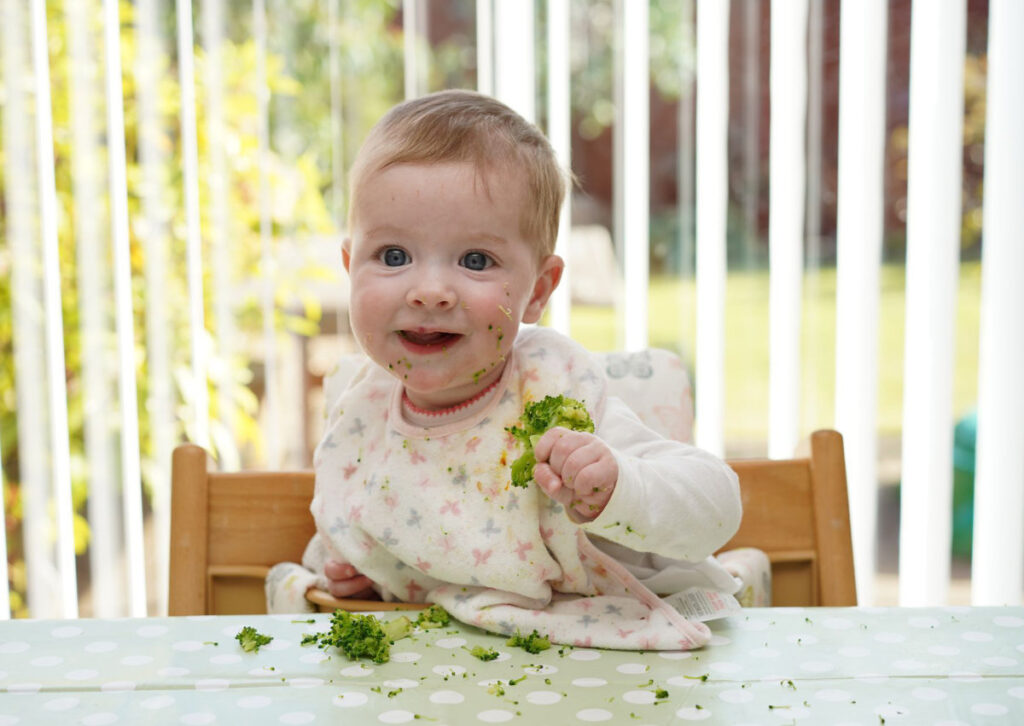
What are babies having as their first foods?
The most common first solid foods were:
- Vegetables (39%)
- A mixture of vegetables and fruit (24%)
- Baby rice (19%)
- Fruit (12%)
I’m really pleased to see vegetables coming out on top. I’m a big advocate for “veg-led weaning” starting with a variety of savoury and even bitter flavours like broccoli, spinach and cauliflower. Research in the UK has shown that focusing on vegetables early on can help babies accept a wider range of tastes later. Of course, it’s perfectly fine to start with fruits or other foods if you’d prefer, but offering your baby plenty of variety early on can really help in expanding your baby’s taste preferences or familiarity with new flavours.
Homemade vs shop-bought first foods
Around 7 in 10 mothers (69%) made their baby’s first food at home, while 30% used a shop-bought option. Shop bought foods can absolutely be a helpful part of weaning, and there’s absolutely nothing wrong with using them as a convenient option.
However, the marketing can often be misleading and make parents think they’re offering their baby something that is superior to what they could prepare at home, when it’s often not the case at all!
Homemade foods for your baby don’t need to be complicated – simply offering them some of your family ingredients is ideal. You can read more about what to offer your baby after their first tastes here. You might also find these 12 simple, no cook puree options to replace food pouches helpful.
Purées, mash or finger foods
The vast majority of mothers (80%) started with mashed or puréed foods, and around 1 in 5 (19%) started with finger foods. It would be really interesting to know how quickly babies were progressing through textures, as this is really the key when it comes to weaning. Whether you choose to start with spoon-feeding, finger foods, or a combination of both – it’s really important to move through textures relatively quickly.
You can read more about finger foods for babies between 6-12 months in my blog.
What are babies eating at 8 to 10 months?
The survey also looked at what babies were eating beyond the early stages of weaning. By the time babies were 8–10 months old:
- 61% of babies were eating vegetables daily
- 60% were eating fruit daily
This is great to see that the majority are eating fruits and vegetables daily, although ideally fruits and vegetables would always be offered every day as part of a balanced diet.
It’s important to note that there were differences in that mothers in the least deprived areas were much more likely to give vegetables daily (76%) compared with those in the most deprived areas (47%). The same pattern was seen for fruit (68% vs 52%). It’s really important to highlight that access, time and resources can play a key role in what babies are eating.

Protein and iron-rich foods
More than 4 in 5 babies (82%) had been given poultry by 8–10 months. Slightly fewer had been given:
- Beans, pulses, lentils or meat alternatives (75%)
- Fish (72%)
- Red meat (67%)
Most babies first had these foods between 6 and 8 months, which is exactly when iron stores start to deplete and these foods become really important.
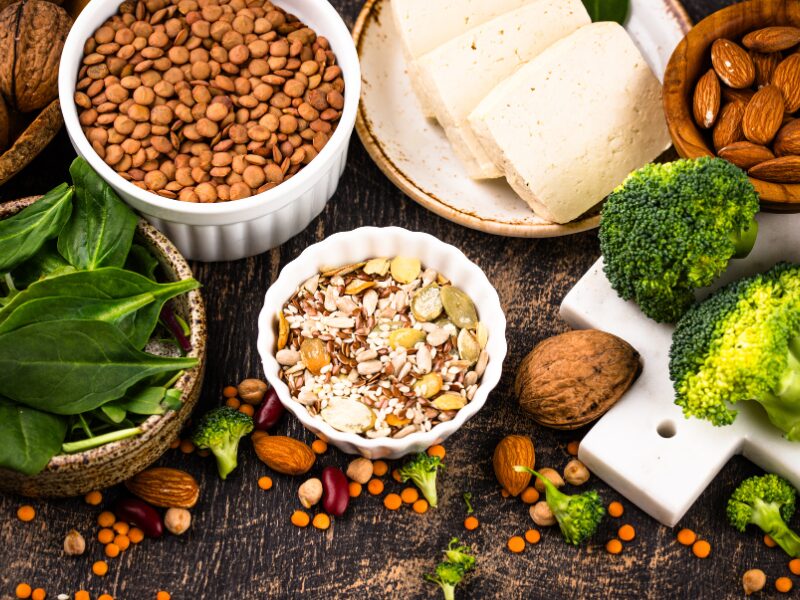
Iron is a crucial nutrient from 6 months onwards, and iron rich foods should be offered regularly right from the start of weaning to ensure your baby is getting enough. Iron rich foods include red meat, poultry, beans, pulses, nuts, seeds, tofu and certain grains such as quinoa and millet.
Shop-bought baby meals and snacks
The survey revealed that shop-bought baby foods are a regular part of many babies’ diets:
Shop-bought baby meals:
- 17% had them every day
- 63% had them at least weekly
- 22% never had them
Shop-bought baby snacks:
- 20% had them every day
- 74% had them at least weekly
- 18% never had them
It’s worth remembering that babies under 12 months don’t need snacks. Their usual milk feeds, whether breastmilk or formula alongside their solid meals should meet their nutritional needs. Shop bought snacks can absolutely be useful, especially when on the go, but they can often be marketed in a way that makes them seem more nutritious than they actually are. If you’re offering them to babies under 12 months, try to make them part of a more balanced meal – for example offer baby rice cakes along with some nut butter and fruit, or use melty sticks as a dip into yoghurt or a curry/pasta sauce.
Mashed, puréed and finger foods at 8–10 months
The survey asked mothers about the different textures and types of foods they were offering their babies a little further along on the weaning journey. At 8-10 months,
- 50% of mothers were giving mashed or puréed foods daily, and 89% at least weekly
- 57% were giving finger foods daily, and 91% at least weekly
- Around 5–6% of mothers were never giving mashed/puréed foods or finger foods
This suggests that some families may benefit from more support and information around the importance of offering different textures, including finger foods, as part of their baby’s weaning journey.
Use of salt
Most mothers (86%) said they never added salt to their baby’s food, which is really positive. Around 1 in 10 (12%) added salt sometimes and 2% added it regularly.
Babies don’t need salt added to their food or cooking water. This includes stock cubes and gravy, which can be surprisingly high in salt. If you’re adapting family meals for your baby, removing their portion before adding salt or salty seasonings is a simple way to keep things safe. You can read more about adding flavour to your family meals without salt or sugar here.
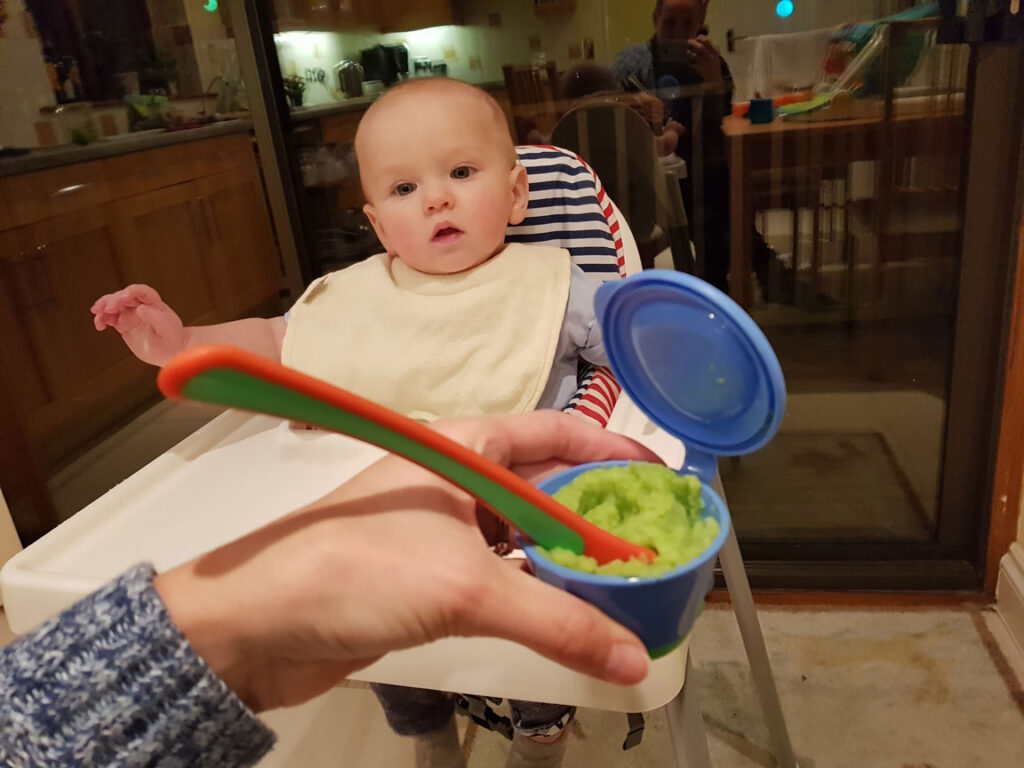
Mixing food with milk
The survey also looked at whether mothers were using milk to mix into their baby’s foods. Around 78% of mothers who had given solid foods used milk to mix up their baby’s food. Of those:
- Cows’ milk – 37%
- Infant formula – 37%
- Breast milk – 11%
- Plant-based drinks – 6%
Just a reminder: cows’ milk can be used in cooking or mixed with food from around 6 months, but shouldn’t be given as a main drink until 12 months. You can read more about milk recommendations for infants and toddlers here.
Allergen introduction
Allergen introduction is an area where there has been a lot of development in the research and advice in recent years, and it wasn’t something that was covered in the previous survey in 2010.
How many babies had tried common allergens by 8–10 months?
- Eggs – 84%
- Nuts (including peanuts) – 51%
- Sesame – 39%
So while the vast majority of babies had been given eggs, only around half had tried nuts, and fewer than 4 in 10 had tried sesame. Most babies were first given these foods between 6 and 8 months, though 9% had been given eggs before 6 months.
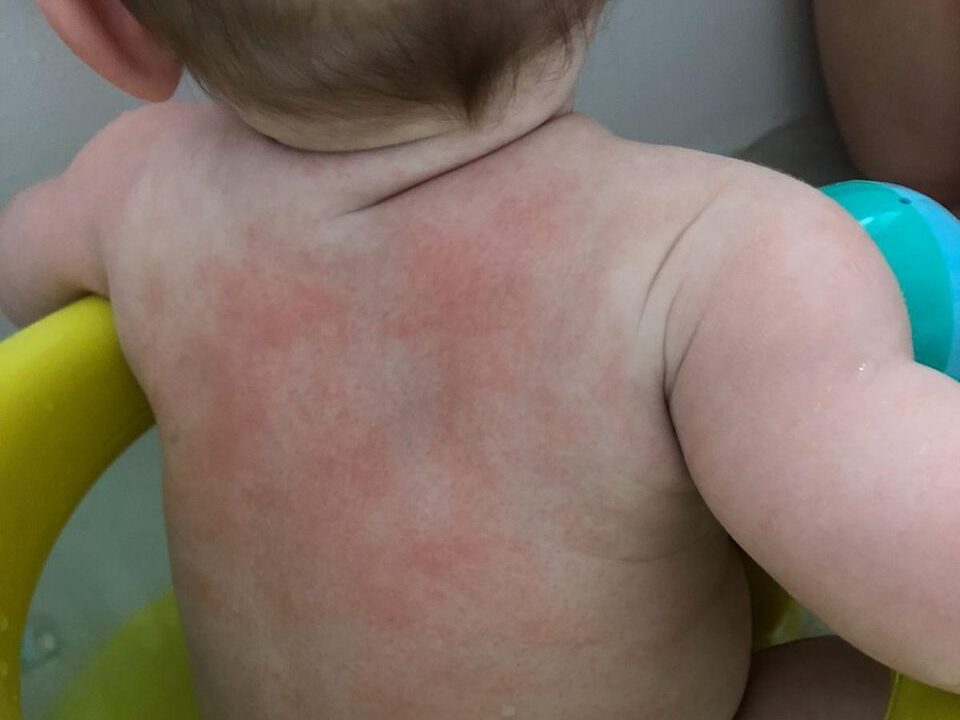
Peanut Introduction
Around half of mothers (48%) said their baby had eaten peanuts or products containing peanuts by 8–10 months, with nearly all of these (47% of all mothers) reporting no reaction and 1% reporting a possible allergic reaction.
However, 43% of mothers had not yet offered peanuts, whilst a further 4% hadn’t offered them because of allergy concerns.
Egg Introduction
84% of babies had been given eggs by 8–10 months. Most (79% of all mothers) had no reaction, though 3% had a reaction the mother thought could be allergic and 2% had a diagnosed allergic reaction. Around 12% of mothers had simply not offered eggs yet.
For more detailed advice on introducing allergens during weaning, check out my blog.
Are parents intentionally avoiding foods?
Around half of mothers (53%) were not intentionally avoiding any specific foods. Among those who were, the most commonly avoided were:
- Processed foods (50%)
- Dairy and eggs (23%)
- Nuts and seeds (21%)
- Honey (20%)
It’s important to note here that while honey should absolutely be avoided before 12 months (due to the risk of infant botulism), the current guidance is that common allergens like nuts and eggs should be introduced, not avoided. Deliberately delaying or excluding allergens may actually increase the risk of a food allergy developing.
Types of diet
The vast majority of mothers (88%) were not feeding their baby a specific diet. Of those who were:
- Vegetarian (5%)
- Pescatarian (2%)
- Vegan (1%)
- Dairy-free (1%)
- Halal (1%)
Whatever dietary approach your family follows, the key is ensuring your baby gets a wide variety of nutrients. If you’re raising your baby on a vegetarian or vegan diet, it’s especially important to pay attention to iron, zinc, vitamin B12, omega-3 and calcium. I’ve got a detailed blog on plant-based eating for children if you’d like more guidance.
Where are parents getting their information?
This is a really interesting part of the survey – particularly with the exponential growth of social media since the previous survey. Around three-quarters of mothers (74%) had been given information about when to introduce solid foods, and 68% had been given information about what types of foods to give. That still leaves around 1 in 4 mothers who hadn’t been given this information, which is a significant gap.
First-time mothers were more likely to have received information (77%) compared with those who already had children (68%). This makes sense as second or third-time parents might not be offered the same level of support, even though guidance can change between babies.
Where did the information come from?
The most common sources were:
- NHS websites, including Start for Life (54%)
- A health professional (midwife, health visitor, GP) (39%)
- Other websites (35%)
- Partner, friend or relative (34%)
- Social media, forums or video platforms (32%)
- Books, leaflets, magazines (27%)
- SureStart/children’s centres/family hubs (27%)
It’s so interesting to see how highly social media and online content ranks here &#
8211; though not at all surprising. At 32%, it’s almost as commonly used as health professionals as a source of weaning information. It really emphasises how important it is to make sure that clear, evidence based advice is easily accessible to as many families as possible.Drinks at 8–10 months
Apart from milk feeds, the most common drinks given at 8–10 months were:
- Water (90%)
- Fruit juice (8%)
- Squash (5%)
- Herbal drink (1%)
Most babies (66%) were first introduced to drinks other than milk between 26 and 30 weeks. UK guidance is that babies under 12 months only need their usual milk feeds and water – fruit juice and squash aren’t recommended. You can read more about what babies and toddlers should be drinking in this blog.
Vitamin D drops
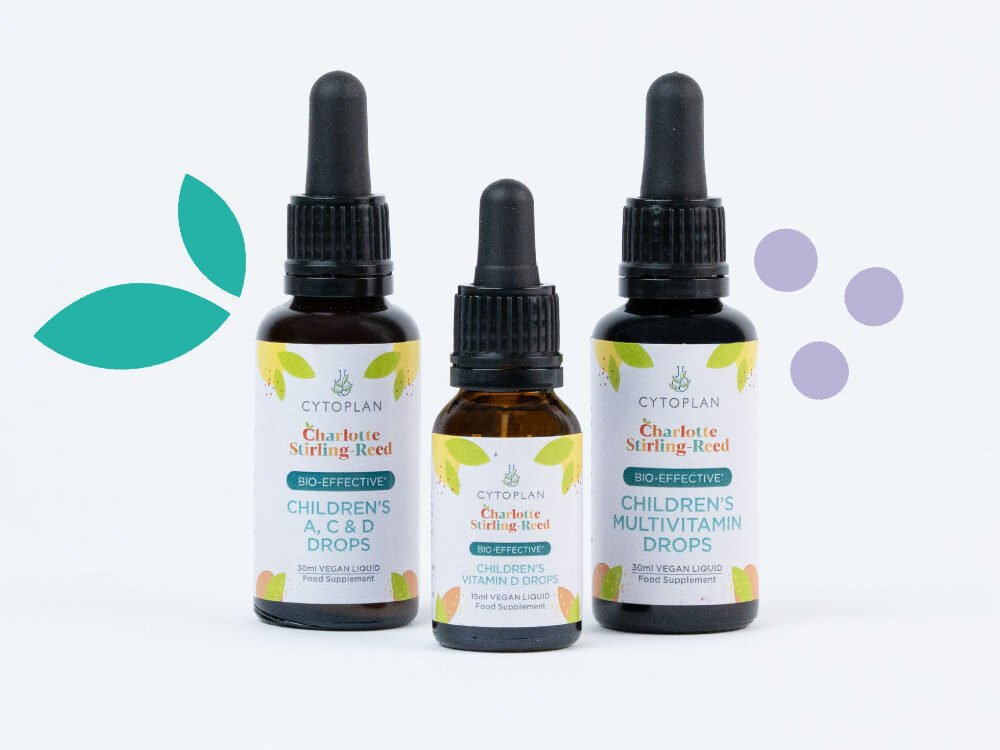
An important finding from the survey was that vitamin D supplementation appears to be below the UK recommendations.
UK guidance says:
- Breastfed babies should be given a daily vitamin D supplement from birth
- From 6 months, babies should have daily vitamins A, C and D, unless they are having more than 500ml of infant formula a day (as formula is already fortified)
But the survey found:
- Between 2-5 months, 54% of breastfeeding mothers gave vitamin D drops
- Between 4-7 months, this was 55%
- By 8-10 months, this dropped to 37%
At 6 weeks specifically:
- 62% of solely breastfed babies were getting vitamin D drops
- 39% of mixed-fed babies were getting vitamin D drops
- 8% of solely formula-fed babies were getting vitamin D drops
These figures suggest many babies who are likely to need supplements may not be receiving them consistently.
Vitamin D supports normal bone and tooth development, and young children are a group at higher risk of low vitamin D intake.
My key takeaways
Here’s what stood out to me from this survey:
What’s going well
- Two-thirds of mums are waiting until around 6 months, which is a big change from 2010 when 94% had started by 6 months
- Vegetables are the most popular first food – it’s so brilliant to see vegetables being introduced early!
- 86% of mothers never add salt to their baby’s food
- Signs of readiness are featuring prominently in parents’ decision-making
- Most mothers are making baby’s first food at home
Where we could do better
- Nearly 1 in 5 babies are still starting before 5 months – it’s important to know the context behind WHY these families are starting early, as there are absolutely cases where it’s appropriate.
- Allergen introduction – especially nuts and sesame – could be much higher. Only half of babies had tried nuts and fewer than 4 in 10 had tried sesame by 8–10 months. It would also be helpful to know how many families are continuing to regularly expose their babies to these foods in the diet
- Shop-bought baby snacks are very common, but babies under 12 months don’t need snacks at all
- Some groups are less likely to offer finger foods, and it would be good to know how many are offering more complex textures
- Vitamin D supplementation is below recommendations – it would be helpful to understand why this is happening and whether better education is needed
My tips for parents starting their weaning journey
Starting with vegetables
- Lead with savoury and bitter flavours – broccoli, spinach, cauliflower, kale. Babies are born with a preference for sweet tastes, so early and repeated exposure to bitter veg can help with acceptance later
- Offer variety from the start – there’s no need to wait 3 days between introducing new foods. Different colours, textures and flavours all help to expand your baby’s palate
- Get iron-rich foods in early – after those first veggie tastes, introduce foods like red meat, lentils, beans, tofu and fortified cereals. Baby’s iron stores start to deplete from around 6 months

Introducing allergens
- Don’t delay! Current UK guidance says allergenic foods can be introduced from around 6 months, just like any other food. Delaying may actually increase the risk
- Start with peanut and cooked egg, these are recommended as the first allergens to introduce, once baby has had their first few tastes of food
- Introduce one allergen at a time, in small amounts – leave a few days between each new allergen so you can monitor for any reaction
- Serve nuts safely, always ground, crushed, or as a smooth nut butter thinly spread. Never whole nuts until at least age 5. A little peanut butter mixed into porridge or yoghurt is a great first step
- Don’t forget to maintain regular exposure in the diet once you’ve successfully introduced an allergen to your baby
- If your baby has severe eczema or an existing food allergy, speak to your GP as earlier introduction may be recommended
The full Infant Feeding Survey 2024 report is available online.
If you’d like more detailed support with weaning, check out my online weaning course or my book How to Wean Your Baby.
FAQS
1) When should I start weaning my baby?
UK guidance recommends introducing solid foods at around 6 months, when your baby is developmentally ready.
2) Does my baby need vitamin D drops?
If your baby is breastfed, guidance recommends daily vitamin D from birth. From 6 months, vitamins A, C and D are recommended unless your baby is having more than 500ml of infant formula a day. If unsure, check with your health visitor or GP.
3) Do I need to start with baby rice?
No, baby rice isn’t essential. You can start with a range of first foods, including vegetables, fruit, and other appropriate textures. Variety is more important than one “perfect” first food.
4) When should I introduce allergens like peanut and egg?
From around 6 months, common allergens can be introduced one at a time and in small amounts. Once tolerated, continue offering them regularly as part of your baby’s usual diet.
5) Do babies under 1 need snacks?
In general, babies under 12 months don’t need snacks. Milk and solid foods provide your baby’s nutrition before 12 months.