
Nuts are one of those foods that worry a lot of parents at weaning. They’re a common allergen, and whole nuts are a choking risk for young children, so a little caution makes sense. They are also a really nutritious food, though, which is why one of the most common questions we hear is when can babies have nuts. The good news is that, offered in an age-appropriate form such as smooth nut butter or ground nuts, they can be part of a balanced diet from around 6 months.
This blog covers:
- Nuts as allergens (and how to introduce them)
- The nutrition in nuts
- The safest ways to serve nuts by age/stage
- Easy ways to use nuts day-to-day
- How to use nuts in recipes and your baby’s meals
Are nuts an allergen?
Yes. Nuts are one of the most common allergens in the UK. This doesn’t mean that they should be avoided, but there are guidelines around how and when to introduce allergens carefully.

In recent years, there have been big developments in research around introducing allergens to young children. It’s bec
oming increasingly clear that the earlier we introduce allergens to children, the better the outcomes are in terms of developing an allergy. In particular, it’s recommended that eggs be the first allergen to introduce to your baby, followed by peanut.When your baby is developmentally ready for solids (often around 6 months), you can start to introduce nuts to your baby.
Here’s how to introduce allergens to your baby:
- Pick a day when your baby is well and not showing signs of illness (as this may make it harder to identify an allergic reaction
- Start with a really small amount – for example, start with ¼ teaspoon mixed into a food they have already had before – e.g. veg/fruit puree or yoghurt/porridge.
- Offer it earlier in the day if you can, so you have time to monitor.
- Gradually build up to larger amounts across a few days
For some babies at a higher risk of developing an allergy (if they have an existing allergy or moderate/severe eczema), it’s best to discuss introducing allergens with a GP or healthcare professional. There are some cases where the recommendation would be to introduce allergens even earlier, around 4 months, to reduce the risk of developing an allergy.
Once you have successfully introduced a nut into your child’s diet, it’s important to maintain their tolerance to that nut by including it regularly in their diet – ideally 1-2 times per week.
Why offer nuts?
Nuts are a really nutrient dense fo
od, which makes them a great option to offer to little ones.Depending on the nut, they can contribute:
- Energy (which is useful in weaning when portions are small)
- Healthy fats – fats are really important for babies and young children, particularly for their brain development. Nuts provide a good source of unsaturated fats and omega-3 fatty acids which are important to include regularly in your kids’ meals.
- Protein – nuts are a great plant-based protein to offer to young kids. Protein is an essential nutrient for kids’ growth, development and repair and an important part of a balanced diet for children.
- Fibre – fibre is an important nutrient for young children, and one that it can be hard to get enough of – some research in the UK suggests that most children aren’t reaching the daily recommendations for fibre intake.
- Vitamins and minerals – including iron, which is really important for babies from around 6 months
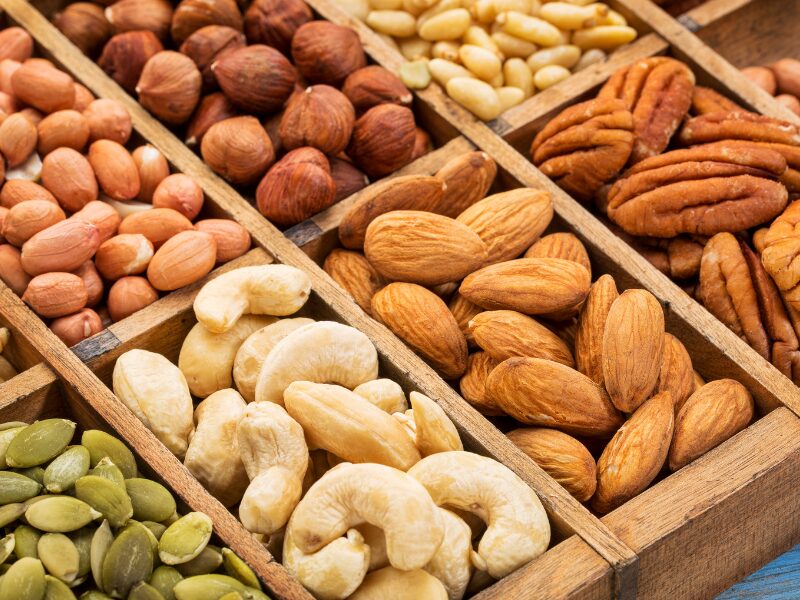
As always when it comes to feeding children, offering a wide variety is a great way to ensure a good balance of different nutrients. That’s especially true when it comes to nuts. Different nuts contain different amounts of various nutrients. For example, almonds contain vitamin E, walnuts provide plant-based omega-3, brazil nuts provide selenium, whilst cashew nuts can provide a good source of plant-based iron. (Reference: Vegan Society, British Nutrition Foundation and British Dietetic Association)
Stocking up on a mix of different types of nut butters or making your own mixed ground nuts, by blending together a variety of nuts can be an easy way to include a good variety of different nuts in your little one’s diet.
Whole nuts and choking
Whole nuts should not be given to babies and young children because of the risk of choking. Generally speaking, children shouldn’t be offered whole nuts before they are 5 years old and have developed more advanced chewing skills.
How to safely serve nuts by age
As a general guide, here is how to safely serve nuts to your baby or young child based on their age/stage of development. Remember, this is just a guide – all babies will develop their skills differently.
- 6–8 months: ground/milled nuts sprinkled into foods; thin spreads of nut butter are OK or mixed into purées
- 9–12 months: ground/milled nuts sprinkled into foods
- 12–24 months: milled or very finely chopped nuts, or nut butters
- 2–5 years: milled or well-chopped pieces
Nut butter safety tip
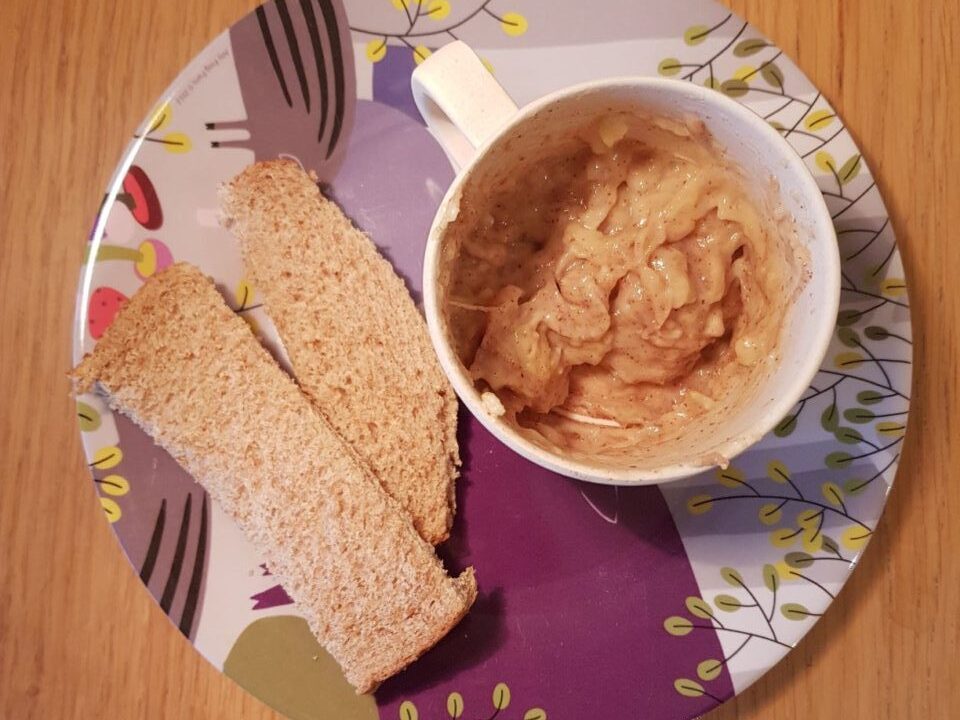
Avoid offering large blobs of nut butter on a spoon as the thicker, sticky texture can be quite difficult for little ones to manage. Instead, offer a thin spread on toast/wraps/pitta etc or mix into another food like yoghurt, porridge or cereal.
Read more about safely preparing choking hazard foods for babies here.
When Can Babies Have Nuts and how to give them
Here are some really simple ideas for including nuts in your baby’s diet:
Easy first tastes (around 6 months+)
- Swirl smooth nut butter into porridge
- Mix nut butter into yoghurt
- Stir finely ground nuts into fruit purée
- Spread a thin layer of smooth nut butter on toast fingers
For older children, and the whole family
- Add ground nuts to baking (muffins, flapjacks, bars)
- Stir nut butter into sauces for creaminess – e.g. into curry sauces, or blend cashews into a creamy sauce
- Add to smoothies or smoothie bowls
- Use ground almonds to make crackers/biscuits
- Make into granola (check out my recipe idea below)
- Use in energy balls for a simple, nutrient dense snack
Everyday swaps to add extra nutrition
- Instead of plain porridge → porridge + a swirl of mixed nut butter
- Instead of plain yoghurt → yoghurt + nut butter + mashed banana
- Instead of just fruit purée → fruit purée + a sprinkle of ground nuts
- Instead of fruit only as a snack → toast + thin nut butter + fruit
- Instead of grated cheese → mix grated cheese with mixed ground nuts
I’ve got so many more tips for adding extra nutrients to meals in my blog series – check out how to add extra nutrients to your kids’ breakfast, lunch, dinner and snacks.
What about nut drinks?
I’ve got a whole blog detailing everything you need to know about plant-based drinks for children. In summary:
Under 12 months: Plant-based drinks are not suitable as a main drink (breast milk or infant formula are the only suitable milks under 12 months). You can use plant-based drinks in cooking – e.g. in cereal, porridge or for thinning out foods.
Over 12 months: Opt for plain, fortified and unsweetened. Ideally they should be fortified with calcium, vitamin D, vitamin B12 and iodine.
Nut drinks generally aren’t the preferred option to offer young children, simply because they contain very little in the way of energy and protein, which are really important in young children’s diets.
Nut drinks are also not a reliable way to maintain exposure to nuts as an allergen in your child’s diet, as they don’t contain high amounts of the nut in them.
Recipe ideas
Here are some of my favourite recipes to give you ideas for including nuts in your little one’s diet:
- Carrot cake flapjacks (includes peanut butter and ground walnuts)
- 15 minute toddler friendly peanut curry
- Peanut butter and banana muffins
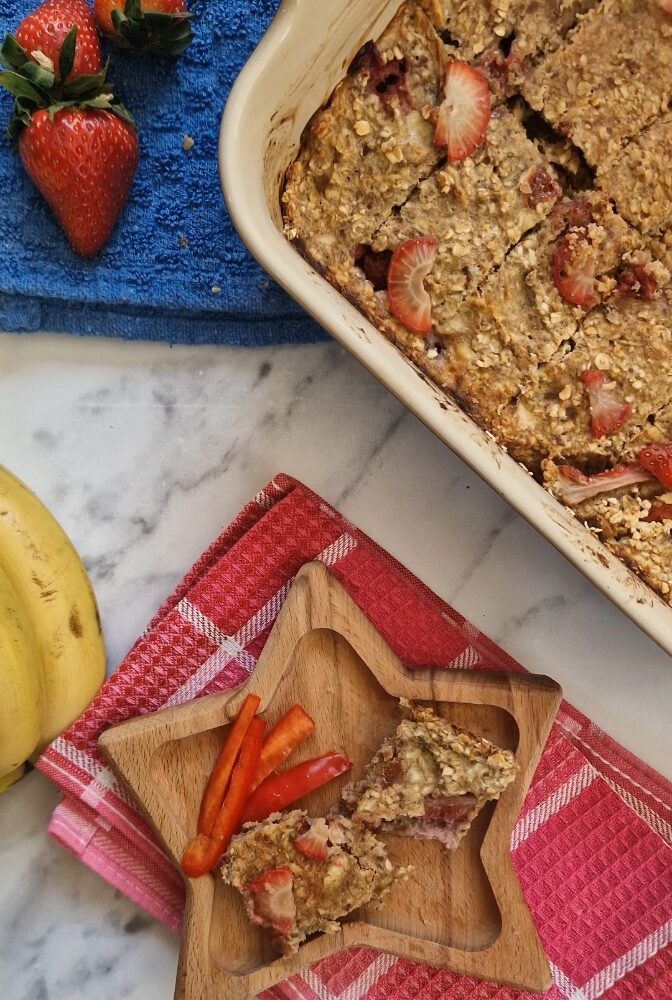
- Strawberry oat bars
- Weetabix energy balls
- Toddler friendly almond cheese crackers
- Toddler friendly granola (you could add more mixed ground nuts to this – whatever you have at home!)
- Ultimate pesto pasta
- Easy family breakfast smoothie
- No bake energy balls


FAQ
1) Can babies have peanut butter?
Yes, from around 6 months when your baby is ready for solids, your baby can be offered peanut butter (or other nut butters) Serve it safely – e.g. smooth, thinned with a little water/milk, or mixed into foods and not a thick spoonful. It should be introduced in small amounts first because it is an allergen.
2) Are whole nuts safe for babies and toddlers?
Whole nuts are a choking hazard for young children and should generally be avoided until children are older (around age 5). Use finely ground nuts or smooth nut butters instead.
3) What if allergies run in the family or my baby has eczema?
If your baby has moderate/severe eczema or a known food allergy speak to your GP or another healthcare professional to get specialist advice on what’s best for your baby – they may recommend that you introduce nuts earlier into your baby’s diet.